Latest insights
Why Solar Companies Are Rushing Contracts Before July 4, 2026 — What Los Angeles Homeowners Should Know Before Signing Anything
Why Solar Companies Are Rushing Contracts Before July 4, 2026 — What Los Angeles Homeowners Should Know Before Signing Anything
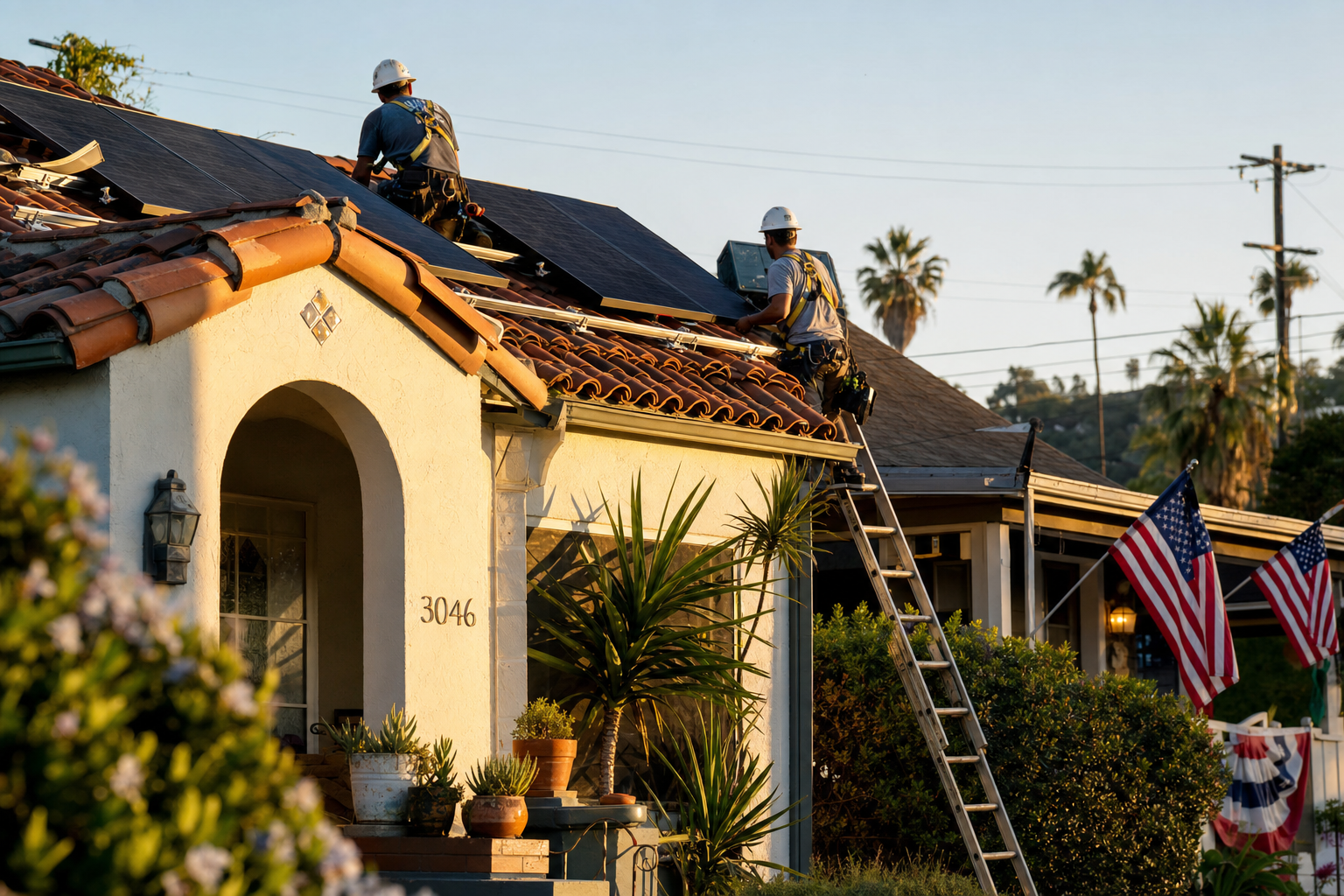
Happy Fourth of July to our neighbors across Los Angeles — from the flag-lined blocks of Eagle Rock to backyard barbecues in Silver Lake, boat parades in Marina del Rey, and fireworks over the Rose Bowl in Pasadena. Before you fire up the grill, we wanted to flag something moving through the solar industry this week that's directly affecting homeowners from Downtown Los Angeles to Long Beach, Glendale, Downey, and the San Fernando Valley — because right now, it's fueling a wave of last-minute, high-pressure sales calls.
The July 4 Deadline Nobody's Telling You About
Buried in the fine print of the 2025 federal tax legislation known as the One Big Beautiful Bill Act is a critical date: July 4, 2026. Under the finalized rules from the U.S. Department of the Treasury, commercial and third-party-owned solar projects — including the leases and power purchase agreements (PPAs) most Los Angeles County homeowners actually sign — only qualify for long-term federal tax credit eligibility under Section 48E if construction begins by that date. Miss it, and installers face a much tighter runway to place systems in service and keep those credits intact through 2027 instead of 2030.
That deadline is why phones have been ringing across neighborhoods from Boyle Heights to Sherman Oaks this week. Sales reps aren't calling because it's suddenly a great time for your household to go solar — they're calling because their company needs signed paperwork and a shovel in the ground before the deadline resets the math on them.
On top of that, the residential-owned solar credit under Section 25D — the one homeowners used to be pitched with, "you'll get thousands back at tax time" — was already eliminated for any system installed on or after January 1, 2026, according to the Solar Energy Industries Association (SEIA). If you're hearing that pitch from a rep in Glendale or Pasadena this week, the numbers on the page may no longer reflect current federal law.
Why the Industry Is in a Different Place Than It Was a Year Ago
This isn't just a paperwork deadline — it's happening against the backdrop of real turbulence in the national solar market, and Los Angeles homeowners deserve to know the context before they sign anything:
- A major national installer went bankrupt. SEIA's own Q2 2026 market report cites the bankruptcy of the second-largest national solar installer, tighter tax equity availability, and updated permitting data as reasons it downgraded its five-year residential solar outlook, now projecting a 21% contraction in the U.S. residential market in 2026 alone.
- New installations are actually declining. Federal data compiled by the U.S. Energy Information Administration shows U.S. residential solar capacity additions dropped sharply quarter-over-quarter in early 2026, even as some year-over-year segments ticked up modestly.
- Globally, the slowdown is broader than just the U.S. Industry analysts now expect global solar installations to contract by roughly 8% in 2026 — one of the first meaningful annual pullbacks the sector has seen in years, driven largely by U.S. policy uncertainty and tighter financing conditions.
- New foreign-sourcing rules add complexity. Under new "Material Assistance Cost Ratio" (FEOC) requirements phasing in starting in 2026, a rising share of a project's costs can't be tied to certain foreign-linked suppliers — adding legal and compliance complexity that smaller, undercapitalized installers may not be equipped to navigate.
None of this means solar is a bad technology — California still leads the nation, generating roughly 58% of its own electricity from solar. It means the company standing on your porch in South Gate or Whittier this week may be operating under more financial strain than they're letting on, right as they're asking you to sign a 20-year lease.
Why "Sign Today" Pressure Should Make You More Cautious, Not Less
A deadline that benefits the installer's tax position isn't the same as a deal that benefits you. A few red flags worth watching for between now and the holiday weekend:
- Urgency untethered to your situation. Legitimate installers don't need a household in Compton or Culver City to sign within 24 hours of a tax deadline that has nothing to do with that family's finances.
- Vague or outdated tax-credit promises. If a rep is still citing the old 25D residential credit as a selling point in mid-2026, that's a sign their pitch deck — and possibly their compliance training — hasn't caught up with the law.
- No clear answer on company financial health. Given the pace of bankruptcies and consolidation in the sector this year, it's fair to ask any installer directly how long they've operated in California and who services the warranty if they close.
- Buried escalator clauses and transfer restrictions. Existing leases and PPAs signed in recent years often contain annual payment escalators, restrictions on transferring the lease when you sell your home, and buyout terms that are easy to miss on a first read.
Already Signed Something You're Not Sure About?
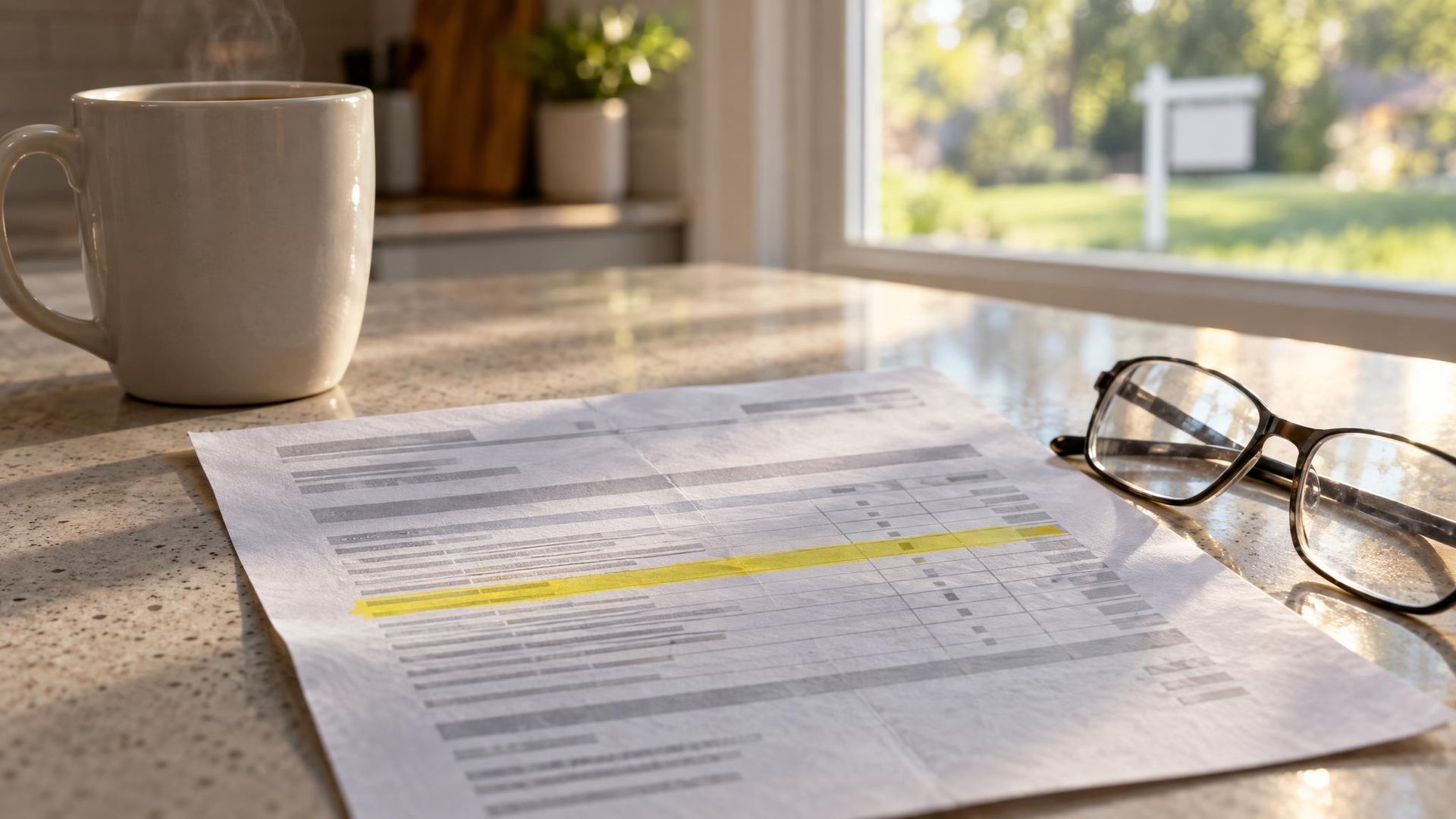
If you're staring down a solar lease, PPA, or loan agreement — signed under pressure before this deadline or any other — you have options. A contract review can clarify what you actually agreed to, whether the sales process involved misrepresentation, and what paths exist to renegotiate, transfer, or exit the agreement entirely. Related resources on our site cover reviewing an existing solar lease and understanding your rights as a California solar consumer.
Complaint patterns around pressure sales aren't unique to solar — regulators have documented similar dynamics in industries from timeshare sales to home improvement financing. In California specifically, the Department of Financial Protection and Innovation has fielded a growing volume of complaints tied to third-party-owned solar financing, and the California Public Utilities Commission maintains consumer guidance on solar contracts and net metering rules that's worth reviewing before you sign or renegotiate anything.
Frequently Asked Questions
Is the residential solar tax credit really gone?
Yes — Section 25D, the credit homeowners claimed for owned residential systems, was eliminated for any system installed on or after January 1, 2026. Leased systems and PPAs fall under a different credit (Section 48E) claimed by the company, not the homeowner, and that credit has its own phase-out timeline tied to the July 4, 2026 construction-start deadline.
Does the July 4 deadline affect homeowners who already have solar?
Not directly — it primarily affects new contracts and whether the installer can secure tax credit eligibility for a project that hasn't started construction yet. But it's a useful moment to review any existing lease or PPA, since it's often the first time in years a homeowner takes a close look at the paperwork.
What should I do if I feel pressured into signing quickly?
Slow down. Ask for the contract in writing, take at least 24–48 hours, and consider having it reviewed independently before signing — especially if the pitch leans heavily on a deadline that benefits the installer more than you.
Wishing you and your family a safe, happy Fourth of July — from all of us at California Solar Exit. Enjoy the fireworks, the family time, and the long weekend. And if a solar contract has been sitting in a drawer nagging at you, remember: there's no rush like the one they're trying to sell you. Take the time to get it reviewed properly.
Have questions about a solar lease or PPA before you sign — or one you're already locked into? Call California Solar Exit at (213) 579-5156 or visit californiasolarexit.com for a no-pressure review.
Other insights
More from California Solar Exit