Latest insights
What Happens to Your California Solar Lien When Your Lender's Loan Book Gets Sold in Bankruptcy
What Happens to Your California Solar Lien When Your Lender's Loan Book Gets Sold in Bankruptcy
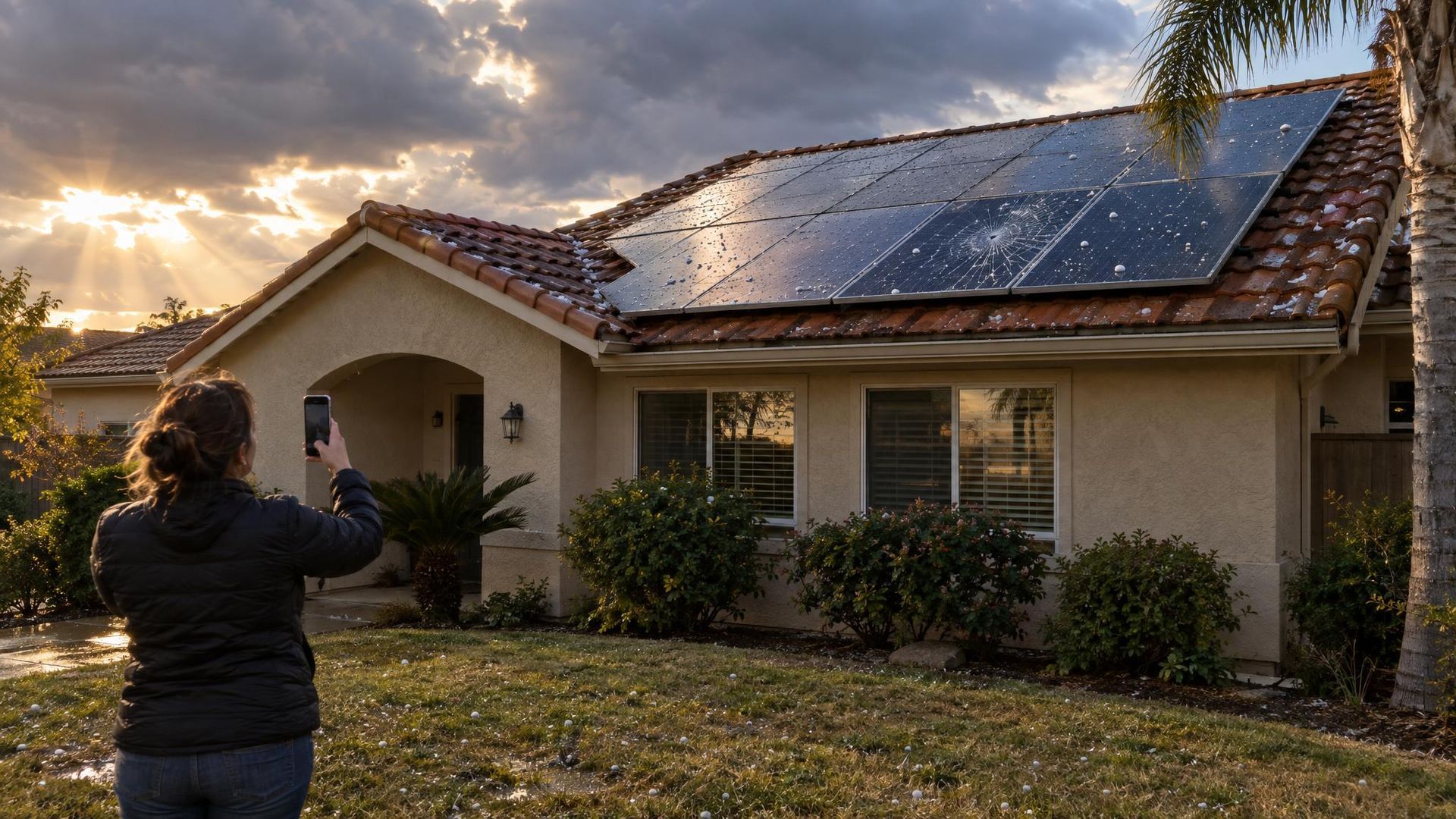
When a solar installer goes bankrupt, most homeowners already know to worry about their warranty. What catches people off guard is a quieter problem one layer down: the company that actually holds your loan — not the installer, the lender — can go bankrupt too, and when it does, your loan doesn't disappear. It gets sold. Bundled with thousands of other loans, it becomes an asset in someone else's bankruptcy case, auctioned off to whoever bids on the portfolio. The UCC-1 lien attached to your solar panels goes right along with it — and depending on how cleanly that sale gets recorded, that lien can either transfer smoothly or sit on your California property title as an orphaned filing tied to a company that no longer exists.
This has already happened once this cycle. PosiGen, a major residential solar lender and installer, filed for bankruptcy in December 2025. By February 2026, its loan portfolio and projects had been acquired by Renewbrook Energy and SunStrong Management. For homeowners whose original contract was with PosiGen, their loan is now serviced by a company they never signed anything with — and if you bought or sold a home in that window, you may have run into a lien search that flagged a company no longer in business.
What Happens to My Solar Loan If My Lender Files for Bankruptcy?
Your loan itself doesn't get cancelled — a lender bankruptcy is a corporate reorganization or liquidation, and your payment obligation is treated as an asset the bankruptcy estate owns, not a debt that evaporates. What typically happens is one of two things: the lender reorganizes under Chapter 11 and keeps servicing loans directly, or — more commonly in this cycle — the lender sells its entire loan portfolio to another company as part of the bankruptcy's asset sale process, often referred to in bankruptcy practice as a Section 363 sale. Either way, you're still expected to keep making payments. Missing payments because "the company went bankrupt" doesn't protect you from default; it just changes who's collecting.
Who Owns My UCC-1 Lien After My Solar Lender's Loan Book Is Sold?
Whoever purchased the loan portfolio in the bankruptcy sale becomes the new secured party, and they're supposed to file a UCC-3 amendment updating the original UCC-1 financing statement to reflect the change of ownership. In a clean transaction, this happens automatically as part of the deal and your monthly statement simply starts arriving from a new company name. The problem is that this step is administrative, it isn't always prioritized during a fast bankruptcy asset sale, and buyers acquiring thousands of loans at once don't always update every individual filing at the county and state level right away. That gap is where California homeowners get stuck — the lien on record still shows the original, now-defunct lender, even though a different company is actually collecting your payments.
Does the New Loan Buyer Have to Honor My Original Solar Contract?
Generally, yes — the buyer of a loan portfolio takes it subject to the terms already in place, including, in many cases, whatever claims or defenses you could have raised against the original seller. This is where the FTC Holder Rule (16 C.F.R. § 433.2) becomes relevant: it generally prevents a financing company from enforcing a consumer credit contract while shielding itself from claims tied to how the underlying product or service was sold. If your original solar contract involved misrepresented savings, inflated production estimates, or the kind of NEM 3.0-era math that never matched what you were promised, that history doesn't necessarily disappear just because a new company now owns the paper. It's a nuance worth raising with a solar contract specialist rather than assuming a change of ownership wipes the slate clean in either direction.
Can an Old UCC-1 Lien Get "Stuck" on My California Property Title?
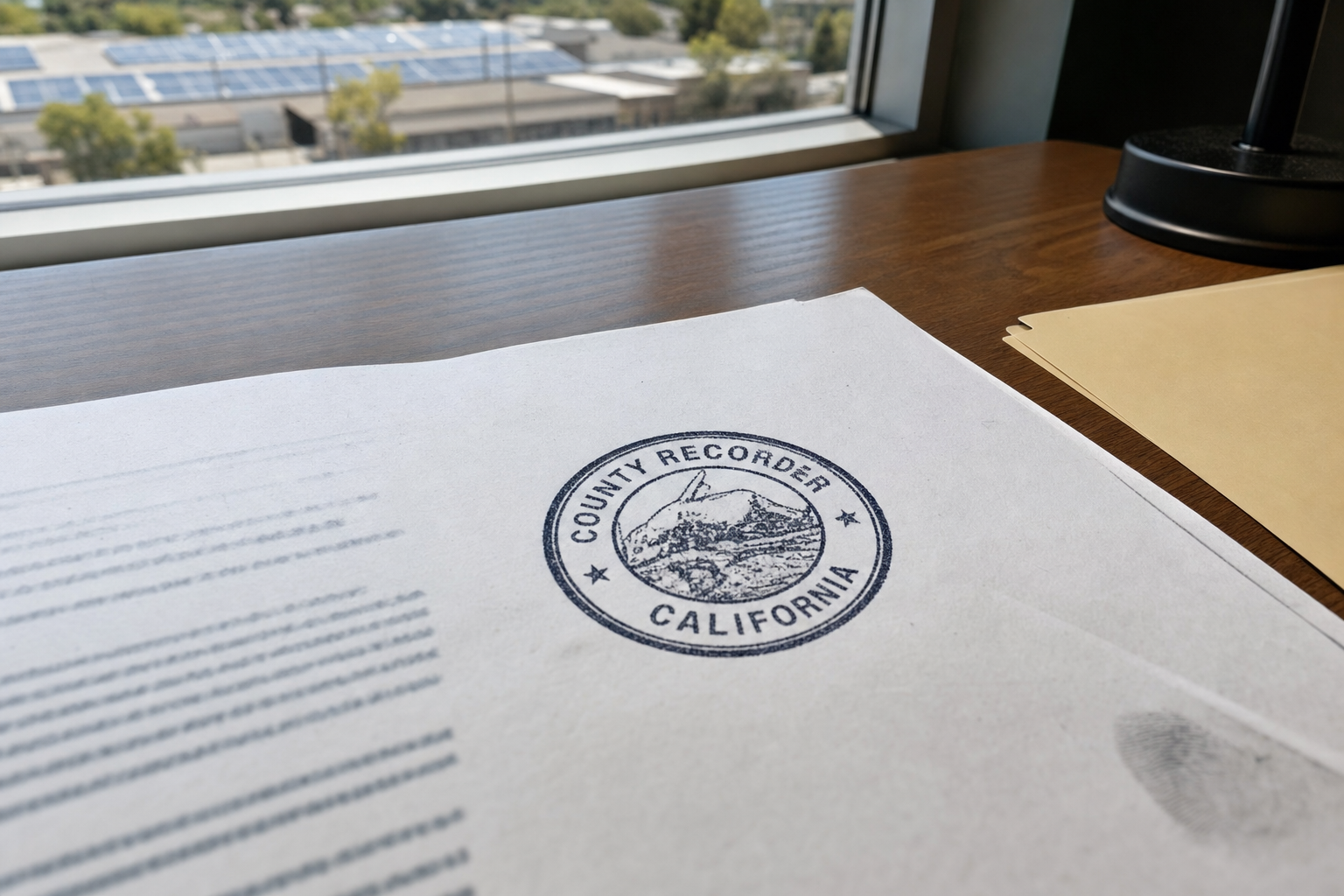
Yes, and this is the most common real-world problem homeowners run into. A UCC-1 filed against solar equipment in California is recorded with the Secretary of State, and in some cases as a fixture filing with the county recorder, and either version stays on record until someone files a formal termination or the filing lapses after its statutory period. If your original lender was liquidated in bankruptcy and its loan book was sold without a clean UCC-3 update, you can end up with a filing that technically points to a company that no longer exists — which title companies and mortgage underwriters don't know how to clear on their own. During escrow, this shows up as a title company asking you to track down a release from a lender who can't be reached, because the phone number on file was disconnected the same week the bankruptcy was announced.
How Do I Find Out Who Actually Owns My Solar Lien Right Now?
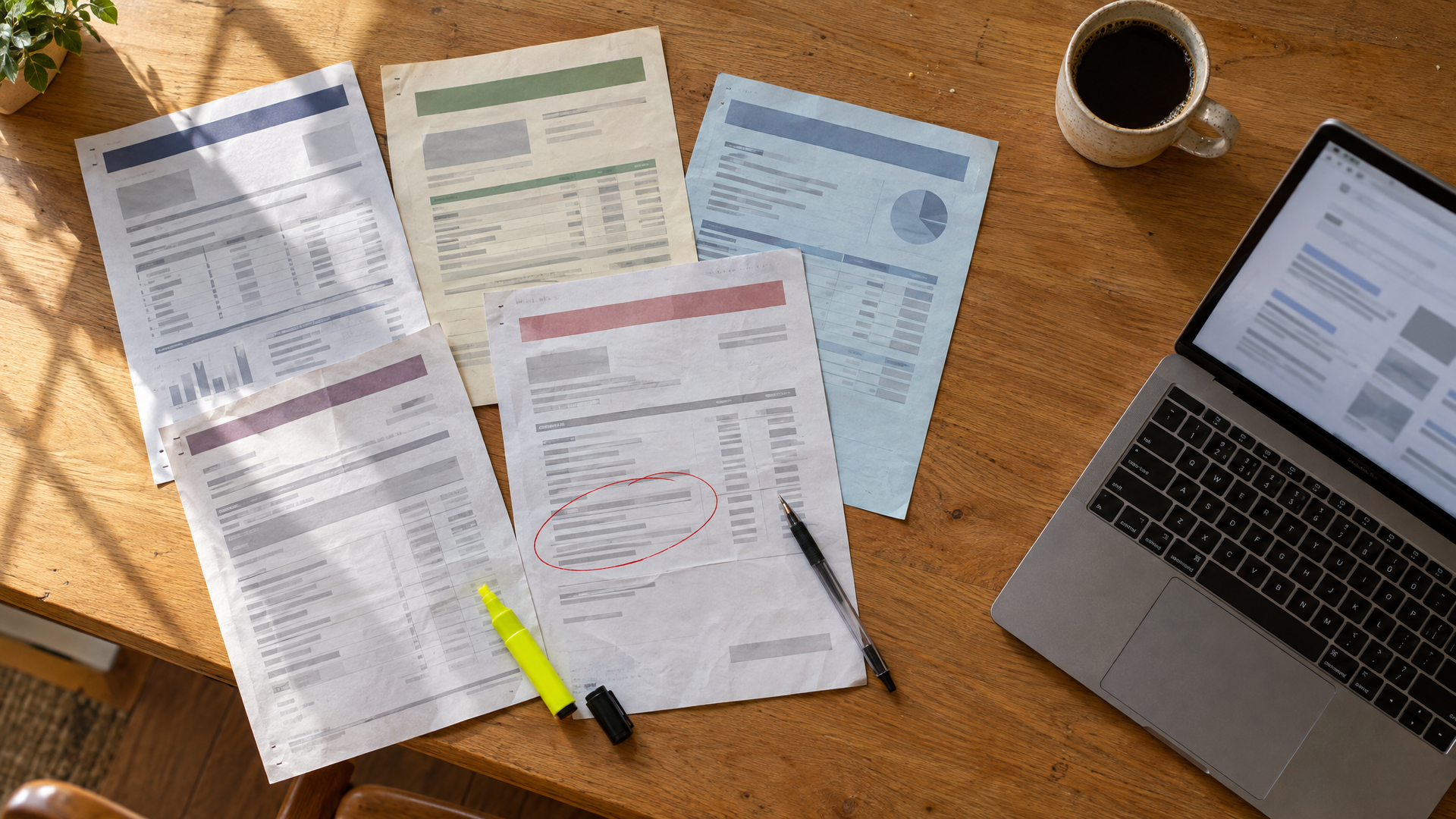
Start with your most recent loan statement or online servicing portal, since the company actually collecting your payment today is the fastest confirmation of who currently owns the loan — not the name on your original 2021 or 2022 contract. From there, you can independently confirm the recorded lien by searching the California Secretary of State's UCC database directly, and separately checking your county recorder's office if your solar system was financed with a fixture filing rather than a standard UCC-1. If the two don't match — your statements come from Company A but the recorded lien still names Company B, a lender that filed bankruptcy two years ago — that mismatch is exactly the kind of gap that stalls a home sale or refinance in Los Angeles, Orange County, the Inland Empire, or anywhere else in the state.
What Should I Do Before Selling or Refinancing My California Home?
Pull a UCC search well before you list your home or apply for a refinance, not after an offer is already in escrow, because clearing a stale lien tied to a bankrupt lender takes time your closing timeline often doesn't have. If you find a mismatch between who's servicing your loan and who's listed on the recorded lien, request written confirmation from the current servicer of exactly what they hold and ask them to file the UCC-3 update themselves — most legitimate servicers will do this once you flag the gap, since it's in their interest too. If the lien traces back to a company that no longer exists and no successor will claim it or issue a release, that's a situation where a solar contract specialist familiar with California's lien and consumer protection framework should get involved before your closing date is at risk.
Frequently Asked Questions
Does my solar lender's bankruptcy cancel my loan?
No. A lender bankruptcy reorganizes or liquidates the company, but your loan is treated as an asset of the bankruptcy estate. It's typically sold to another company rather than cancelled, and you're still obligated to keep making payments to whoever now owns it.
Who do I pay if my solar lender went bankrupt and sold its loan portfolio?
Whoever is listed on your most recent statement or servicing portal is your current lender of record. If you're unsure, contact them directly to confirm they hold your loan, since the original company name on your contract may no longer be accurate.
Can a UCC-1 lien from a bankrupt solar lender block my home sale in California?
Yes, if the lien wasn't properly updated to reflect the loan's new owner after a bankruptcy sale, it can show up in a title search tied to a company that no longer exists. Title companies and mortgage underwriters generally won't clear escrow until that filing is resolved.
How do I check if there's a UCC-1 lien on my California home from a solar loan?
You can search the California Secretary of State's UCC filing database directly, and check your county recorder's office if your loan involved a fixture filing rather than a standard UCC-1 financing statement.
Not sure who actually owns your solar loan anymore, or worried an old lien is going to stall your next home sale or refinance? California Solar Exit helps homeowners trace exactly what's recorded against their property and what to do about it. Call Daniel Merritt at (213) 579-5156 or reach out through californiasolarexit.com for a free contract and lien review.
Related Reading
- Freedom Forever Bankruptcy: What Solar Homeowners Should Do
- Understanding what your solar contract actually placed on your property title
Other insights
More from California Solar Exit