Latest insights
My Solar Company Went Bankrupt in California — What Do I Do Now?
My Solar Company Went Bankrupt in California — What Do I Do Now?
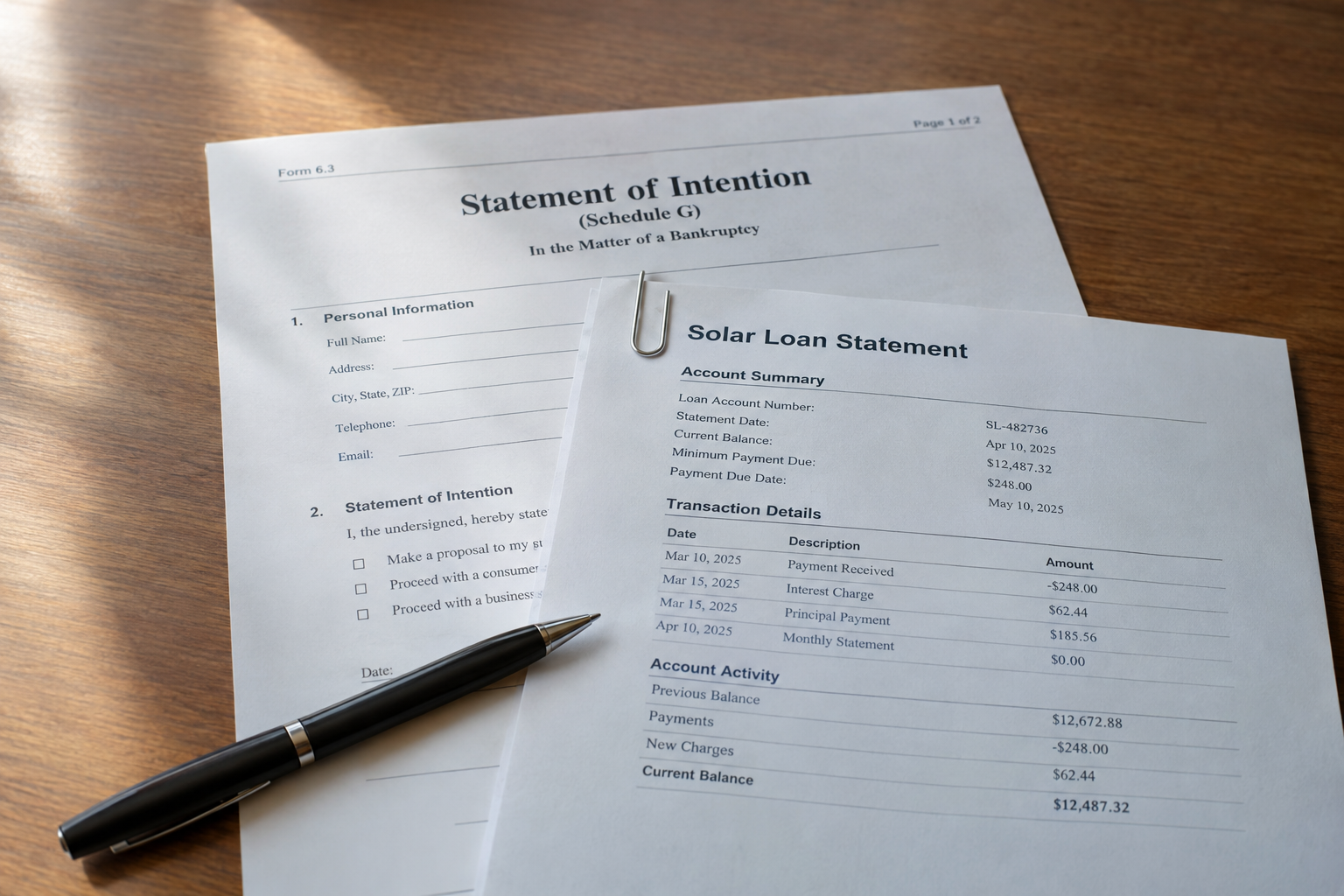
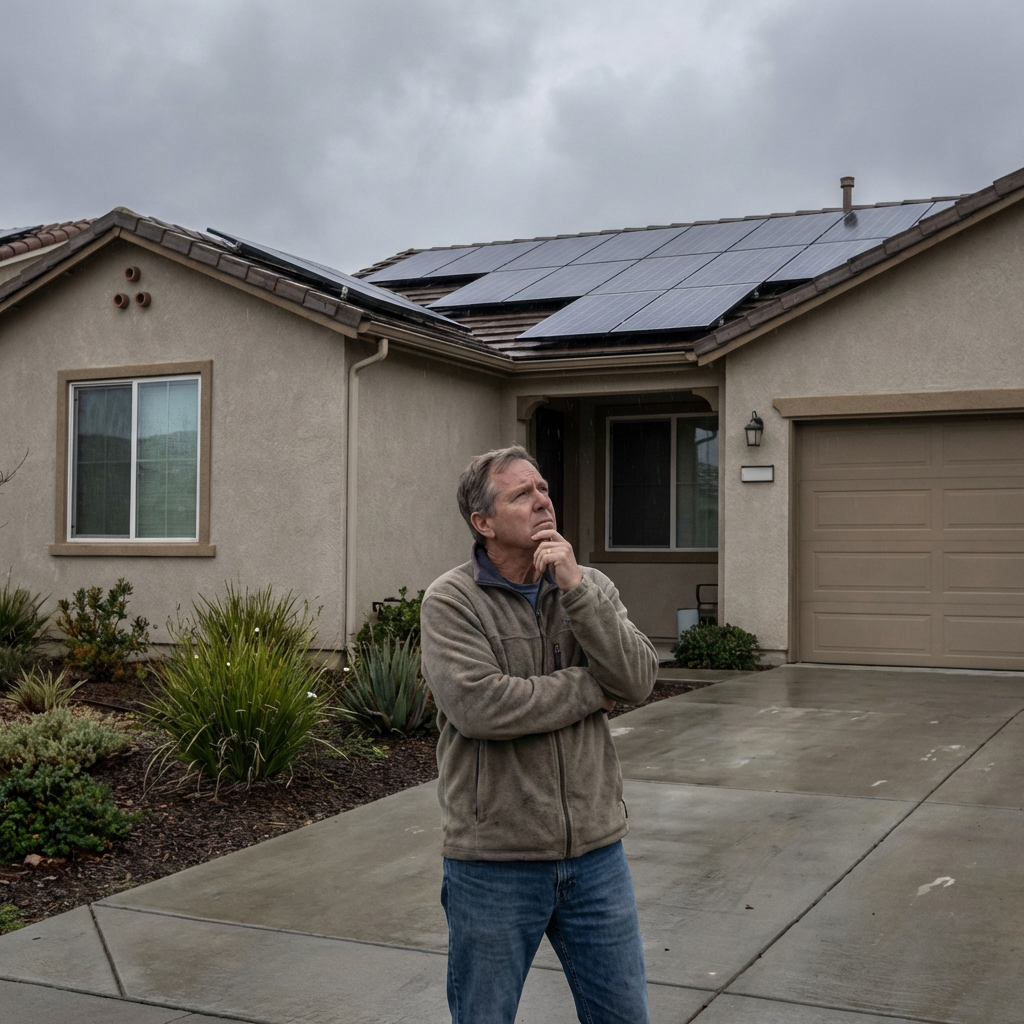
You woke up one morning to an email saying your solar company has filed for Chapter 11 bankruptcy. Or worse — their phone is disconnected, their website is down, and there's no one left to call. This is the reality for hundreds of thousands of California homeowners in 2026, following the high-profile collapses of SunPower (August 2024) and Sunnova (Chapter 11 2025), plus more than 100 smaller installers statewide.
If your solar installer or leasing company has gone bankrupt, here's what you need to know right now — and the specific actions to take if you live in California.
What Actually Happens When a Solar Company Files Bankruptcy
Not all solar bankruptcies are equal. Chapter 11 is a reorganization filing — the company is still alive and trying to restructure its debts. Chapter 7 is liquidation — the company is shutting down. In both cases, your solar lease or loan contract becomes an asset of the bankruptcy estate.
For SunPower customers, Complete Solar purchased most of SunPower's assets and relaunched under the SunPower name in late 2024. Sunnova's assets were acquired by SunStrong Management, which took over billing, maintenance, and customer service for lease and PPA customers.
The practical reality: if your panels still work and a new servicer has been assigned, your contract continues. But if the bankruptcy left you with an "orphaned" system — no servicer, no warranty support, no one answering the phone — you have more leverage than you think.
Are You Required to Keep Paying?
Yes — unless you can establish a legal basis to rescind or cancel the contract. Bankruptcy does not void your lease obligations. The new company that acquires your contract steps into the original company's shoes. Stopping payment without a legal basis will damage your credit and could trigger a lien enforcement action on your home.
However, if the bankrupt company made material misrepresentations during the sale, failed to complete installation, or left your system non-functional, you may have grounds for rescission under California consumer protection law. These are the situations where a solar exit advocate can help.
Step-by-Step: What to Do if Your Solar Company Is Bankrupt
Step 1: Identify Who Now Owns Your Contract
Check your email and mail for notifications from a successor company. Log into any monitoring app (Enphase, SolarEdge, etc.) — the servicer information may have updated. If you had a SunPower lease or PPA, your contract likely transferred to Complete Solar or a third-party asset manager. Sunnova customers should look for communications from SunStrong Management.
Step 2: Document Your System's Current Status
Take photos of your panels today. Screenshot your production data going back as far as possible. Note any system alerts, error codes, or outages. If your panels have not been producing correctly since the company went under — or were never properly commissioned — document that failure in writing.
Step 3: Contact the CSLB
California's Contractors State License Board (cslb.ca.gov) regulates all licensed solar contractors in the state. If your installer abandoned your job, failed to pull permits, or left your system in a non-compliant state, filing a formal CSLB complaint creates a public record and puts pressure on the contractor or their bonding company.
Step 4: Check Your Equipment Warranties
Your panel manufacturer warranty — typically 25 years for product and power output — survives the installer's bankruptcy. Manufacturers like Enphase, SolarEdge, Q Cells, and REC honor their warranties through their own dealer networks. Contact the manufacturer directly, not the installer, for any equipment issues.
Step 5: Get a Free Contract Review
If you are experiencing service abandonment, were misled about savings, or your system is not performing as promised, get a free contract review before making any decisions. California Solar Exit reviews solar leases and PPAs for homeowners across the state — from San Francisco's Sunset District to Inland Empire communities like Ontario, Fontana, and Moreno Valley — and for homeowners in every state nationwide.
Can I Get Out of My Lease if the Company Went Bankrupt?
Possibly. The path depends on your specific situation:
- If the bankrupt company failed to complete the installation and no successor has stepped in, you may have a breach of contract claim against the estate
- If the sales process involved material misrepresentations, California's consumer protection statutes provide grounds for rescission regardless of whether the company is in bankruptcy
- If the system is orphaned — no servicer, no monitoring, non-functional — California courts have recognized this as grounds for equitable relief
California-Specific Resources
California homeowners have access to protections not available in other states. The CPUC's Solar Consumer Protection Guide (Version 4, 2025) outlines your rights. The CSLB investigates contractor misconduct. And California's Unfair Competition Law (B&P Code §17200) provides a private right of action against deceptive solar sales practices — a tool unavailable in most other states.
Frequently Asked Questions
Does my solar company going bankrupt cancel my lease? No. Bankruptcy transfers your contract to a new entity — it does not automatically void your obligations. You will need a separate legal basis to cancel.
What if my panels stopped working after the company went bankrupt? Document the outage immediately. A non-functional system that the successor servicer fails to repair within a reasonable time may constitute a breach of the lease, giving you grounds to pursue cancellation under California contract law.
Can I sue a bankrupt solar company? You can file a claim in the bankruptcy proceeding, but recovery is typically limited. A better path for California homeowners is often a consumer protection action targeting the original sales conduct — not the bankruptcy estate.
California Solar Exit serves homeowners in California and nationwide. Call (213) 579-5156 for a free contract review.
Other insights
More from California Solar Exit