Latest insights
What to Do If You've Been Scammed by a Solar Company in California: A Step-by-Step Guide
What to Do If You've Been Scammed by a Solar Company in California: A Step-by-Step Guide
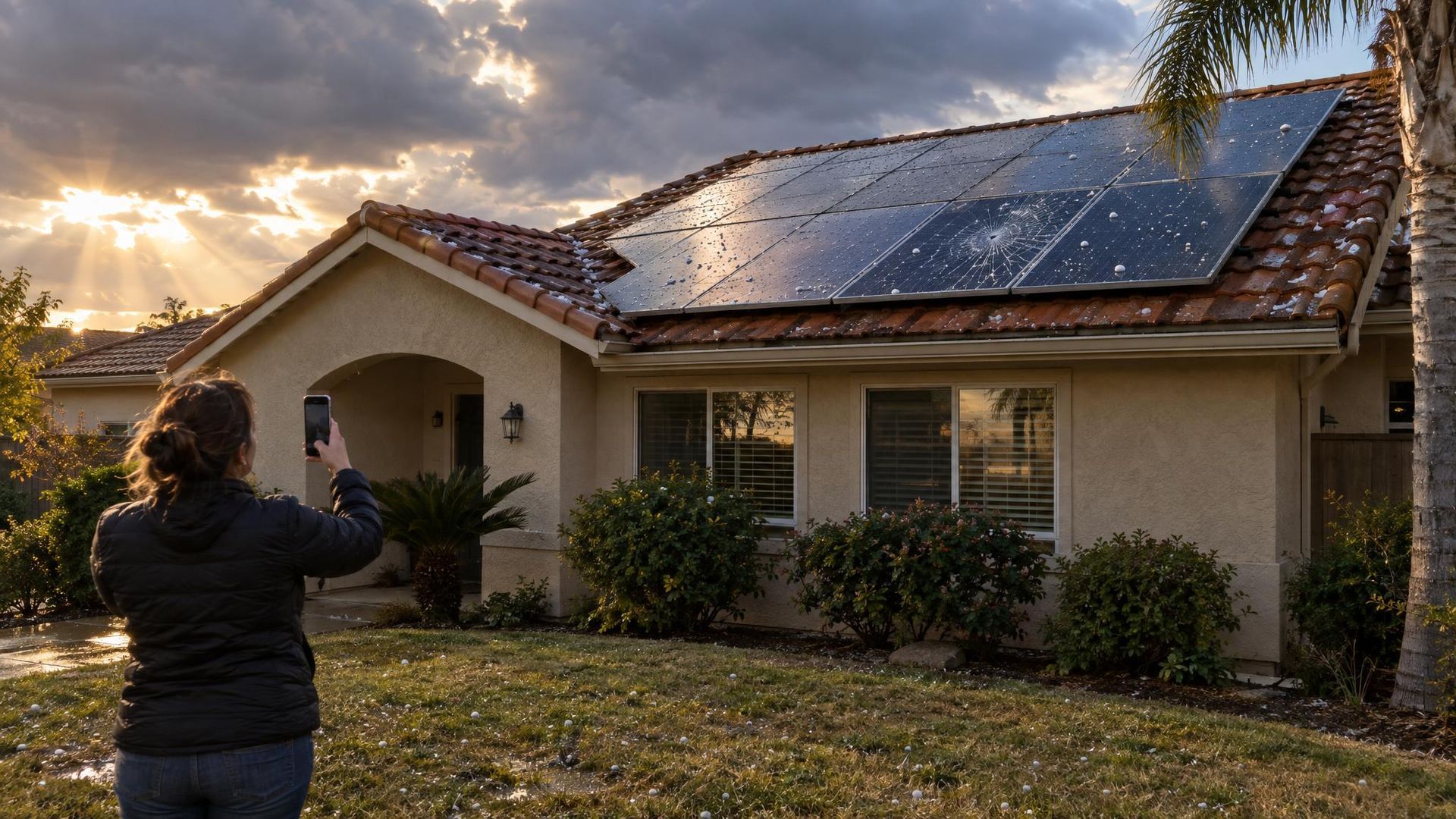
Finding out your solar contract wasn't what you were told is a disorienting experience. The system isn't saving what was promised. The payment is higher than expected. The company has gone bankrupt, changed names, or stopped returning calls. You signed something you didn't fully understand — and now you're not sure what, if anything, you can do about it.
The answer, for many California homeowners, is more than you think. But the steps you take in the next few weeks matter significantly for what options remain available to you.
Here is exactly what to do — in order.
Step 1: Stop and Breathe — But Don't Stop Paying
The first and most important instruction: do not stop making payments without legal counsel.
Stopping payments on a solar loan, lease, or PPA — even one obtained through fraud — can trigger default, damage your credit, and in the case of PACE financing, accelerate a property tax lien. Stopping payments feels like the logical response to being deceived, but it creates additional legal problems that complicate the path forward.
The law is on your side more often than you know. Millions of California homeowners are in similar situations. Acting strategically — not reactively — produces better outcomes.
Step 2: Gather Every Document You Have
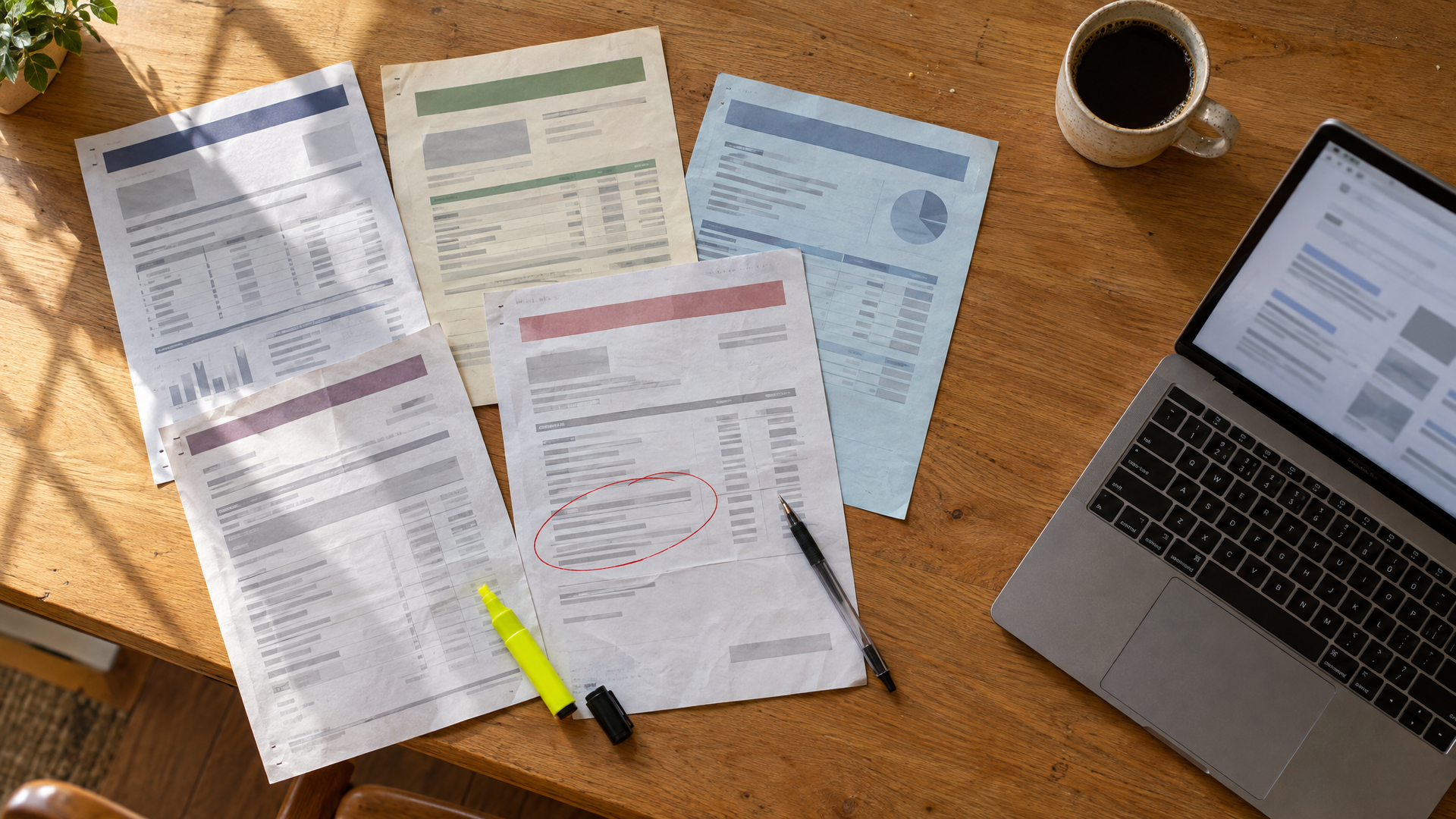
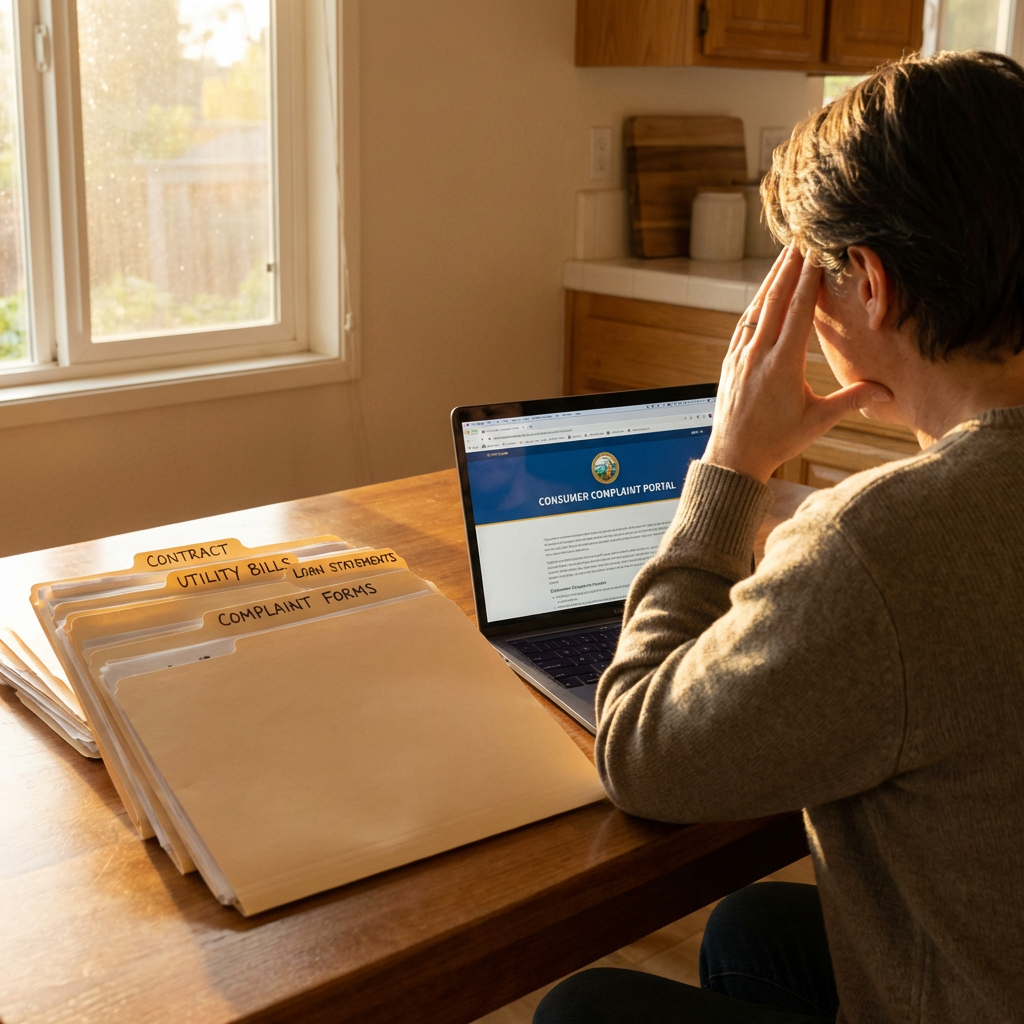
Before you contact anyone — the solar company, an attorney, or a consumer protection agency — collect everything related to your solar sale and installation:
- Your signed contract, including all exhibits and addenda
- The original sales proposal or savings projection shown at signing
- Any marketing materials, brochures, or printed handouts the salesperson left
- All emails and text messages with the salesperson or company
- Your loan documents if you financed the system
- Utility bills for 12–24 months before installation
- Utility bills for every month since installation
- Screenshots of your solar monitoring app showing actual production vs. promised production
- Any written promises about savings, production, or tax credits
If you don't have all of these, start requesting them. Your solar company is required to provide a complete copy of your contract. Your utility company can pull historical bill data. Your monitoring portal — Enphase, SolarEdge, or the company's own app — holds production records going back to installation.
Step 3: Document the Discrepancies in Writing
With your documents assembled, create a written record comparing what you were promised against what you've actually experienced. Write down:
- What the salesperson told you verbally about savings, tax credits, and costs
- What the written sales projection showed
- What your contract actually says about payment amounts and escalators
- What your system has actually produced vs. what was promised
- What you're actually paying monthly vs. what you were told you'd pay
- Whether you received a separate Notice of Cancellation form at signing
- The language in which the sale was conducted vs. the language of the contract
This comparison document becomes the foundation of any formal complaint or legal claim. The more specific and contemporaneous it is, the more useful it is. Date it and keep a copy somewhere safe.
Step 4: Check for the Cooling-Off Notice
Before taking any other action, check your contract package for a document titled "Notice of Cancellation" — separate from the main contract, with its own signature line.
If that document doesn't exist in your package, or if cancellation language only appears inside the body of the main contract, the required notice under FTC Cooling-Off Rule 16 CFR 429 and California Civil Code Section 1689.5 was likely not properly given. Under California law, this may mean your right to cancel is still open — regardless of how long ago you signed.
This is worth checking before anything else because if the right to cancel is still legally open, it is one of the most direct exit pathways available.
Step 5: File Complaints With the Right Agencies
Filing complaints is free, creates an official record, and in some cases triggers a required response from the company. File with all of the following that apply to your situation:
California Attorney General — file at oag.ca.gov. The AG's consumer protection division maintains a dedicated solar complaint intake system. Each complaint contributes to the evidentiary record supporting broader enforcement action against repeat offenders.
CFPB — file at consumerfinance.gov/complaint if your complaint involves financing — a solar loan, PACE financing, or a lease with financing terms. The CFPB requires a response from the financial institution within 15 days.
FTC — file at reportfraud.ftc.gov if deceptive marketing, impersonation of a utility or government entity, or cooling-off rule violations were involved.
Better Business Bureau — file at bbb.org. Less powerful legally but creates a public record and sometimes produces faster company responses than formal regulatory complaints.
California Contractors State License Board — file at cslb.ca.gov if the installer was unlicensed, performed substandard work, or abandoned the project. The CSLB has authority to discipline and revoke contractor licenses.
Step 6: Request a Full Loan Disclosure Statement
If your system was financed, request a complete disclosure statement from your lender showing all fees charged — including any dealer fees, origination fees, or other charges added to your loan balance above the system's cash price.
Compare the total loan amount to the cash price of the system. A gap of more than 15% likely includes a hidden dealer fee that may constitute an undisclosed finance charge under TILA. Document this discrepancy in writing before contacting the lender.
Step 7: Check Your County Recorder for UCC Filings
Search your county recorder's online database using your name and property address. Solar lenders frequently file UCC-1 financing statements or fixture filings against California properties to secure their interest in the panels. These filings appear in title searches and can block a home sale or refinance.
If you find a filing you were never told about, document it. An undisclosed lien on your property is a material omission that may support both a contract rescission claim and a challenge to the lien itself.
Step 8: Get a Professional Contract Review
None of the steps above require a lawyer. But before deciding whether to pursue formal legal action — and which pathway makes most sense — a professional contract review is the right next step.
California Solar Exit reviews solar contracts across all contract types — leases, PPAs, and loans — at no cost before you commit to anything. We identify which red flags are present, which legal protections apply, and what exit pathways are available for your specific contract, state, and situation.
Many issues can be resolved through direct negotiation, AG complaints, or buyout agreements without formal litigation. Others — particularly cooling-off violations, TILA disclosure failures, and elder abuse cases — warrant legal representation. Knowing which category your situation falls into before taking action saves time, money, and mistakes.
Frequently Asked Questions
How long do I have before my options expire? It depends on which violation applies. California UCL claims have a four-year statute of limitations from discovery. TILA rescission claims have a three-year window from the transaction date. Cooling-off rights under California Civil Code 1689.5 may have no expiration if the notice was never given. Elder abuse claims have four years from discovery. Act sooner rather than later — some windows are closing.
What if the solar company has already gone bankrupt? Bankruptcy complicates but doesn't eliminate your options. Claims against the original company are filed in the bankruptcy proceeding as creditor claims. Claims against the current servicer or acquiring company — who may have assumed the contract without assuming the liability — require a separate analysis. Document everything now regardless.
Can I get the panels removed as part of a resolution? In some cases yes — particularly where a lease or PPA is rescinded, the solar company is responsible for removal. In loan cases where you own the panels, removal is your cost but may be part of a negotiated settlement. Don't remove panels unilaterally without legal guidance.
Will pursuing a claim affect my credit? Not directly. Filing regulatory complaints, requesting contract reviews, or pursuing legal claims does not affect your credit. Stopping payments does — which is why Step 1 emphasizes continuing payments while you evaluate your options.
Ready to understand your options? Book a free consultation or call (213) 579-5156. We review solar contracts across all of California — remote consultations available.
Other insights
More from California Solar Exit