Latest insights
Enphase Now Offers Service and Battery Backup for Orphaned SunPower and Third-Party Solar Systems in California
Enphase Now Offers Service and Battery Backup for Orphaned SunPower and Third-Party Solar Systems in California
Quick answer: Enphase Energy announced on August 10, 2026 that homeowners can now add its IQ Battery 10C and whole-home backup to existing solar systems from other manufacturers, without replacing the panels already on the roof. Enphase also runs a separate Third-Party Upgrade Program specifically aimed at stranded SunPower customers, replacing old string inverters and legacy microinverters with current Enphase equipment. For California homeowners with an orphaned system from a bankrupt or defunct installer, this is a genuinely useful development — but it's worth understanding what it does and doesn't solve before signing up.
What Did Enphase Actually Announce?
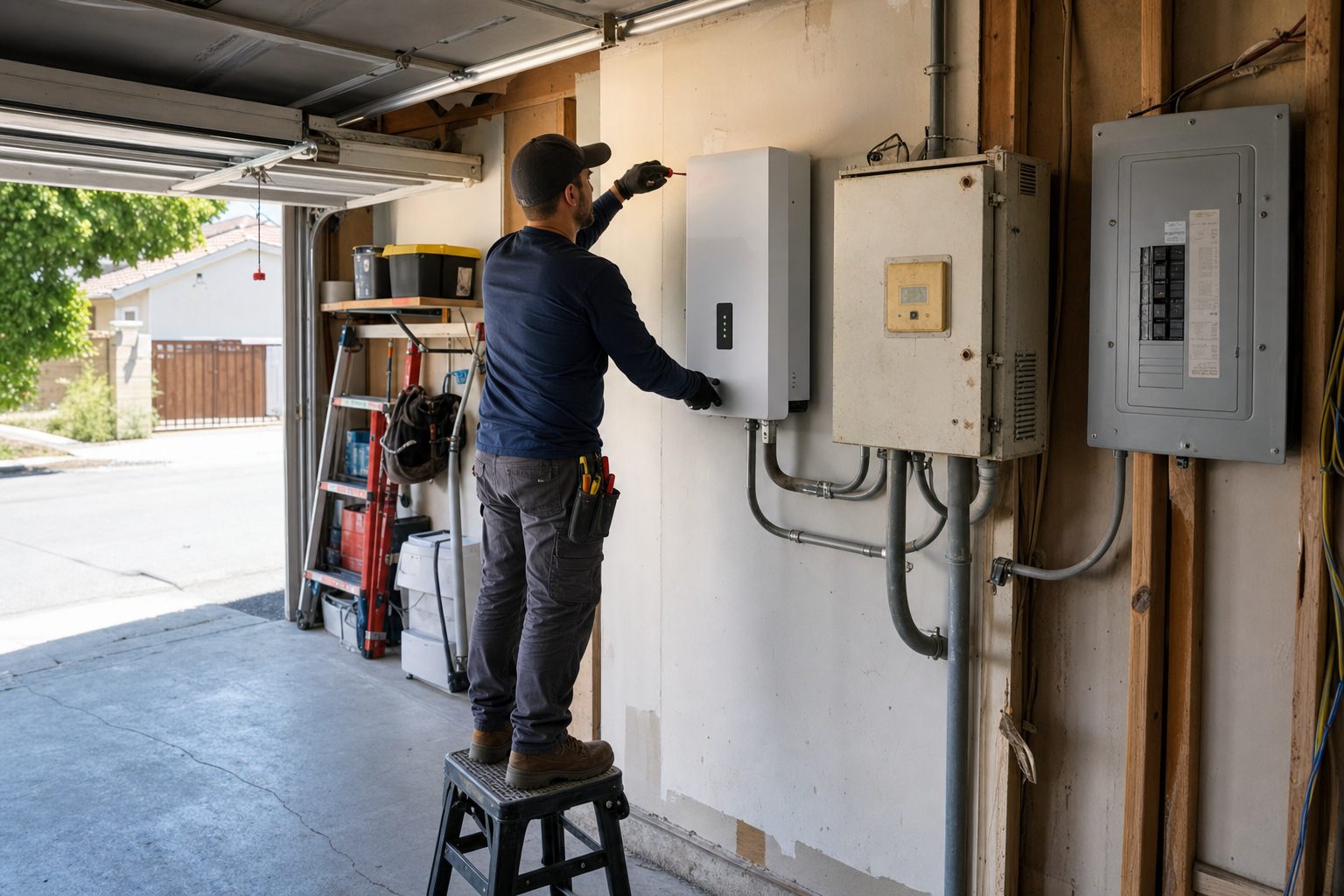
On August 10, 2026, Enphase announced expanded support allowing its IQ Battery 10C and whole-home backup capability to be added to existing solar systems built on other manufacturers' equipment — available immediately across the United States and Canada. Previously, adding Enphase battery backup generally meant your system already needed to be built on Enphase's own microinverter platform. This update removes that requirement, meaning a home with an aging or unsupported inverter system from another manufacturer can now potentially add modern battery backup without a full system replacement.
Does This Help Homeowners With an Orphaned SunPower System?
Potentially, yes, and this ties directly into a problem we've covered extensively — SunPower's 2024 bankruptcy left many California homeowners with systems that no longer have a responsive manufacturer or installer behind them. Separately from the new battery backup announcement, Enphase maintains a Third-Party Upgrade Program specifically for stranded SunPower customers, replacing older string inverters and legacy SolarBridge microinverters with current-generation Enphase equipment, along with an ongoing service plan called Enphase Care. For a homeowner whose SunPower system has been sitting unmonitored and unsupported, this represents a real, concrete path back to functioning monitoring and service — something that hasn't been available to a lot of orphaned SunPower owners since the bankruptcy.
What's the Difference Between the Third-Party Upgrade Program and Just Adding Battery Backup?
These are two different things worth keeping straight. The Third-Party Upgrade Program replaces your existing inverter equipment entirely with new Enphase hardware — a more involved project aimed specifically at restoring functionality to a system whose original components are effectively unsupported. The newer battery backup announcement is narrower: it lets you add Enphase battery storage and backup capability alongside your existing solar equipment without necessarily replacing the inverters themselves. Which one applies to your situation depends on whether your core issue is a non-functioning or unsupported system (the upgrade program) or simply wanting backup power added to a system that's otherwise still working fine (the battery-only addition).
Six Questions to Ask Before Adding Third-Party Equipment to an Existing System
Before committing to either option, it's worth getting clear answers to a few things:
- Is your existing equipment actually compatible? Not every legacy system integrates cleanly with new hardware — get this confirmed before paying for an assessment or deposit.
- What's the full cost, and does it come with new financing? Understand whether this is a cash purchase, a new loan, or another lease — don't assume it's a simple hardware add-on price.
- Does your home still have an active lease, PPA, or loan on the original system? Adding third-party equipment to a system you don't outright own can raise contractual questions worth checking first.
- What warranty applies to the new equipment versus what's left of your original system's warranty? These are likely separate and worth understanding independently.
- Does this resolve or complicate any existing dispute you have with your original installer or lender? Adding new equipment doesn't erase an existing contractual problem.
- Who's actually installing this — a licensed, reputable local contractor, or a third party you haven't vetted? The same licensing and insurance questions that matter for any electrical work apply here too.
Does This Affect an Active Lease or PPA?
This is worth checking carefully rather than assuming either way. If your original system is under an active lease or PPA — meaning you don't own the equipment outright — adding third-party battery equipment may require your leasing company's involvement or approval, since they retain ownership of the underlying system. If you're already dealing with an unresponsive or bankrupt lessor, this can complicate what should be a straightforward upgrade. Our guide to getting out of a solar contract in California covers the broader picture of what your rights look like if your lessor isn't cooperating on decisions about your own system.
Is This a Substitute for Resolving a Warranty or Contract Dispute?
No, and this is important to be clear about. Adding Enphase equipment to your system doesn't resolve any underlying financial or legal dispute you may have with your original installer or lender — if you're still making payments on a system that hasn't performed as promised, or if you've never gotten resolution on a misrepresentation claim, a hardware upgrade addresses your equipment's functionality, not your contractual situation. Our documentation checklist is worth reviewing before you spend money on new equipment if you haven't yet addressed the underlying contract issue.
FAQ
Can I add battery backup to my existing solar system without replacing the panels?
As of Enphase's August 2026 announcement, yes, in many cases. Their IQ Battery 10C and whole-home backup can now be added to existing third-party solar systems without full replacement, though compatibility should be confirmed for your specific equipment.
Does Enphase have a program specifically for orphaned SunPower systems?
Yes. Enphase's Third-Party Upgrade Program replaces older SunPower string inverters and legacy microinverters with current Enphase equipment, paired with an ongoing service plan.
Will adding new battery equipment affect my existing solar lease or PPA?
Potentially. If you don't own your system outright, your leasing company may need to be involved in any equipment changes, since they retain ownership of the underlying system.
Does upgrading to Enphase equipment resolve a dispute with my original installer?
No. Equipment upgrades address your system's functionality, not any separate financial or legal dispute over your original contract or loan.
How much does it cost to add Enphase battery backup to an existing system?
This varies by system and scope. Get a clear, written breakdown of cost and any financing involved before committing, rather than assuming it's a simple flat-rate hardware addition.
Have an orphaned solar system, or unsure whether adding new equipment affects your existing contract?
Get a free, no-pressure review. Call (213) 579-5156 or visit californiasolarexit.com.
Daniel Merritt is a Senior Solar Contract Analyst at California Solar Exit with over a decade of experience evaluating residential solar lease, PPA, and loan agreements under California consumer protection law.
Other insights
More from California Solar Exit