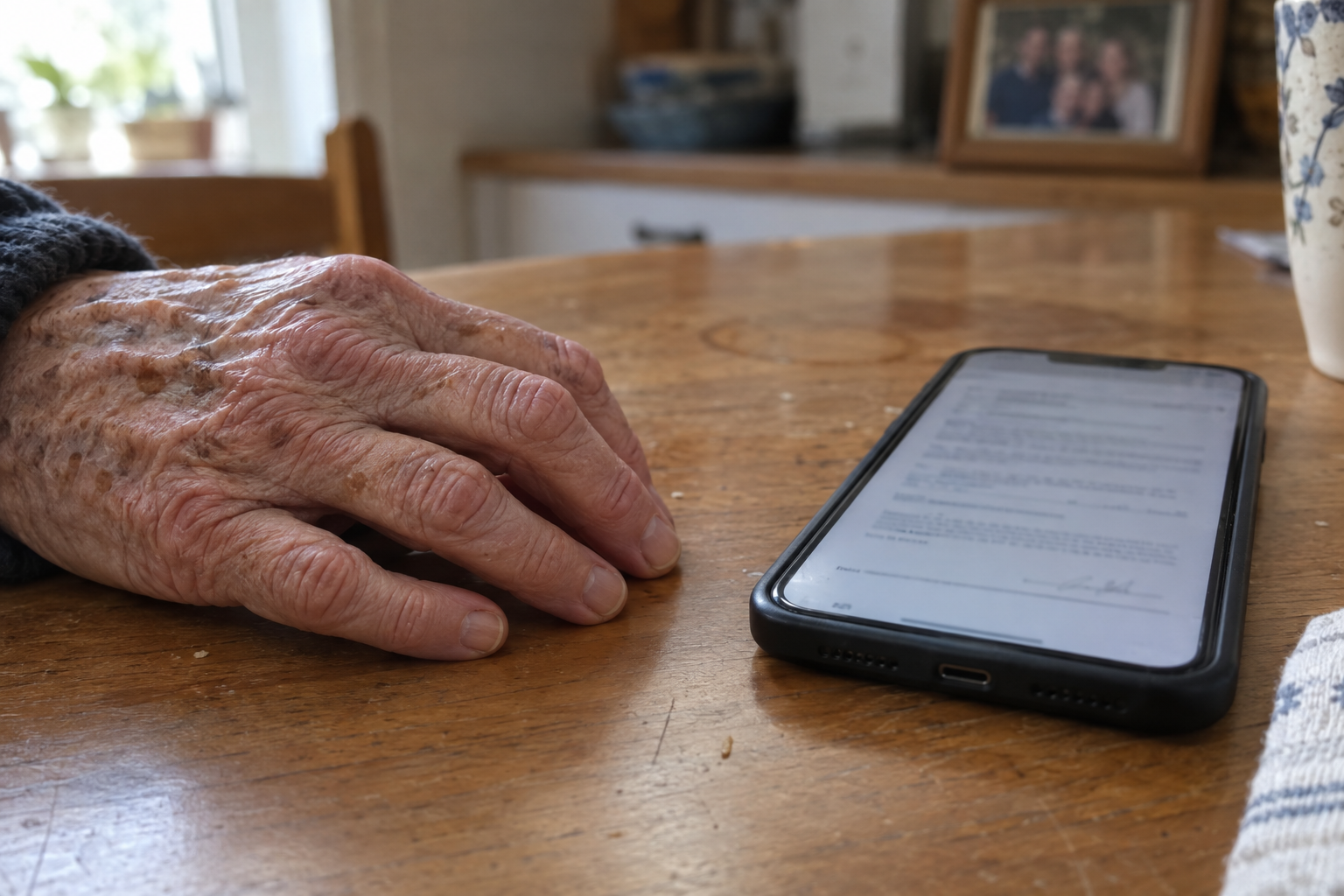
Harold and Lucy West were both in their nineties. Neither of them had ever used email, owned a computer, or operated a mobile phone in their lives. Both had dementia. They lived with their adult daughter, Deon, who helped manage things for them.
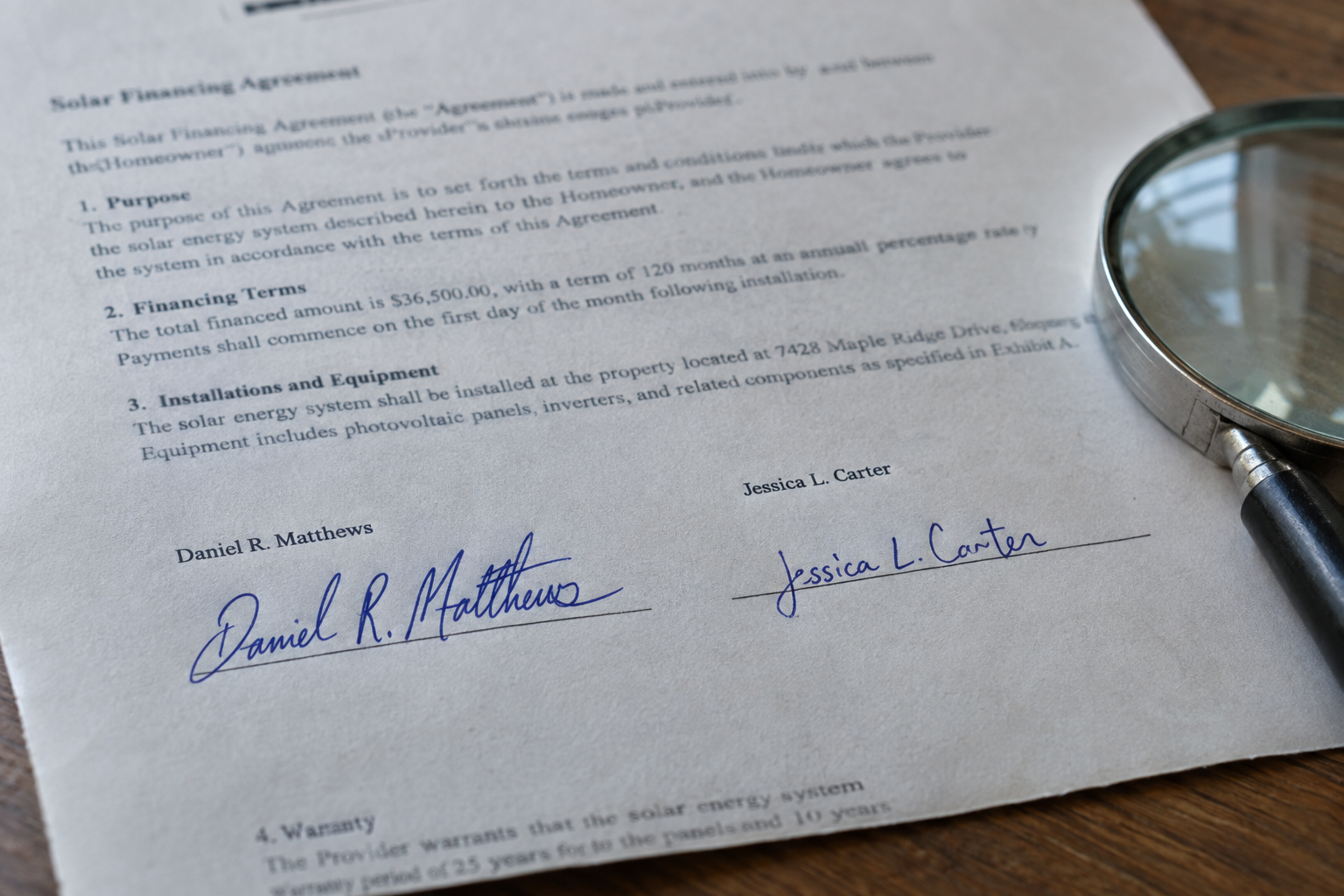
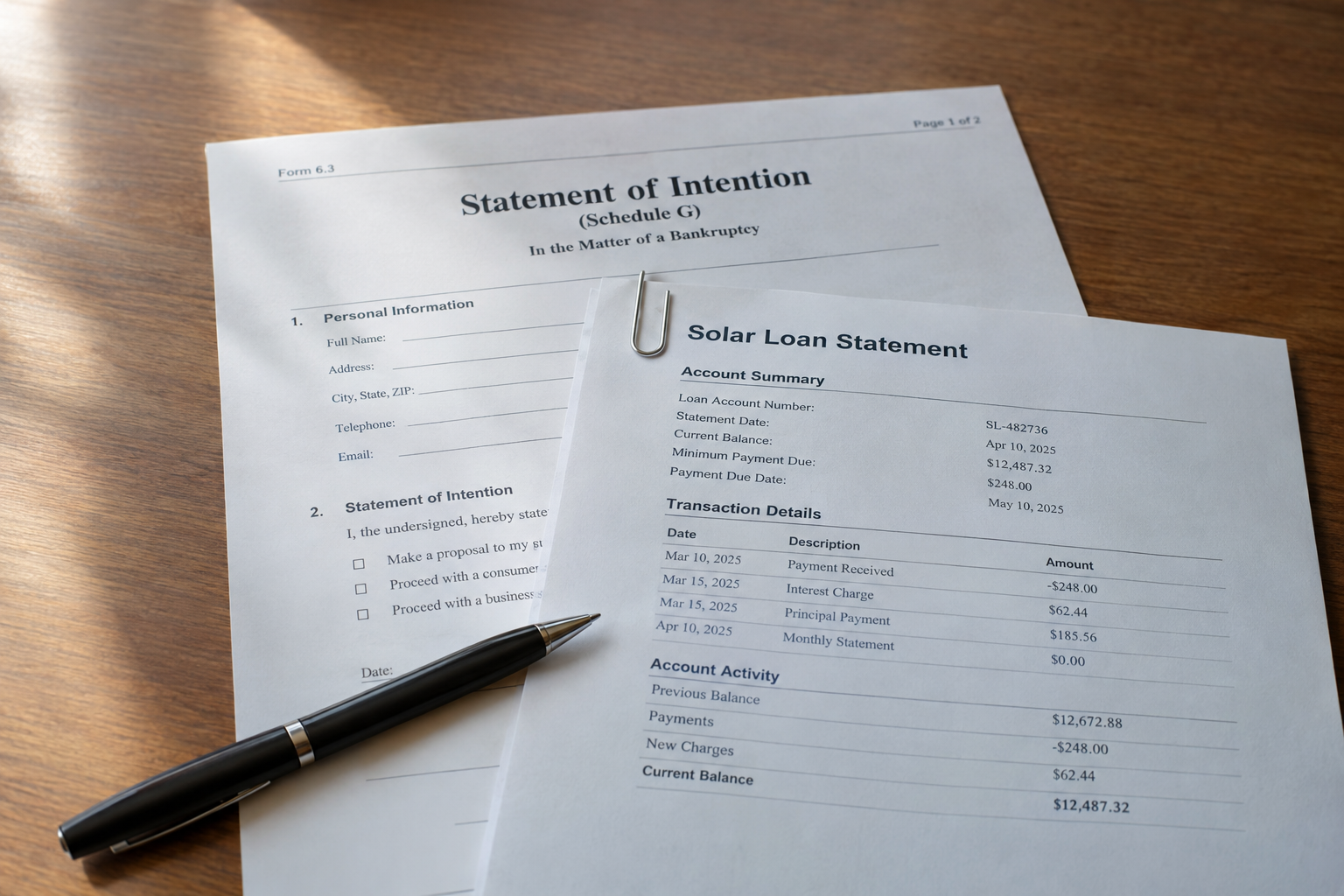
A salesperson named Ilai Mitmiger came to their home pitching a bundled solar installation and bathroom renovation, and told Deon the work would be covered by a government program. It wasn't. What actually happened was a loan agreement — sent electronically to Deon's own email, opened on a mobile device, and "signed" in Harold's name within seconds of the document loading.
Solar Mosaic tried to enforce the arbitration clause buried in that loan agreement, the same way these clauses almost always get enforced. The Los Angeles Superior Court said no. Mosaic appealed. The California Court of Appeal, Second Appellate District, said no again — and this time, in a published opinion that other courts can now cite.
Why the court didn't buy that Harold signed anything himself
The evidence strongly suggested Harold physically lacked the ability to execute an electronic signature at all — he'd never used the technology involved, full stop. That alone created a real factual dispute over whether he'd signed anything himself, as opposed to someone else completing the process using his name on a device he'd never touched. This is the piece worth sitting with: an e-signature isn't proof someone agreed to something. It's proof someone clicked a button on a specific device at a specific moment. Whether that someone was actually the person named on the contract is a completely separate question, and courts are willing to ask it.
Why "ratification" didn't save the loan either
Mosaic's fallback argument is one that comes up constantly in these cases, so it's worth understanding on its own terms. Even if Harold didn't personally complete the signature, Mosaic argued he'd effectively agreed to the loan afterward, during a recorded phone call — a legal concept called ratification. The idea behind ratification is that if you later accept the benefit of a contract, or clearly indicate you understand and agree to it, you can become bound by it even if the original signing was flawed.
The court rejected this too, and the reasoning matters for anyone dealing with a similar recorded call in their own family's situation: a recorded call only counts as ratification if it actually demonstrates the person's awareness and understanding of what they're agreeing to. A brief phone confirmation, especially with someone who has dementia and no history of using the technology involved in the original transaction, doesn't automatically clear that bar just because it happened and was recorded. The company can't simply point to "we called and confirmed" as a substitute for proving the person genuinely understood the loan they were being asked to accept.
The sales tactic itself is worth naming directly
The "government program" line Mitmiger reportedly used on Deon is a pattern we've written about before in our broader
guide to spotting a solar scam — there is no government program that pays for private residential solar and bathroom renovations bundled together, and any pitch invoking one is worth treating as a red flag on its own, independent of anything else about the deal. Bundling an unrelated home improvement project (the bathroom renovation) with the solar sale is also a recognizable pattern — it obscures what's actually being financed and makes the total loan amount harder for a family to evaluate against what they were told they were getting.
Why this ruling matters beyond one family in Los Angeles
This is now published precedent, which means it's not just a story — it's something a court can point to when a similar situation comes up again. And the situation itself is a common one, more common than the dramatic details might suggest: an elderly parent who doesn't really use technology, an adult child helping with what looks like ordinary paperwork, and a salesperson who knows exactly how to make a bundled project sound like it's being paid for by someone else entirely.
What this means if you're the one reviewing a parent's contract right now
If a parent or older family member signed up for solar and something about how that signature actually happened doesn't add up — they don't recognize the account, they've never used a computer, the "signing" happened somewhere you weren't present for — that's not a minor detail to shrug off. Pull together whatever you can find: the original contract, any emails tied to the signing, and details about your family member's actual technology use and cognitive state around the time of signing. That's precisely the kind of fact pattern that convinced two separate California courts an arbitration clause didn't apply at all, and it's exactly what a case built around this precedent would need.
If you're helping an older family member deal with a solar loan that doesn't seem right, get a free review of the situation.
Call (213) 579-5156 or visit californiasolarexit.com.
Daniel Merritt is a Senior Solar Contract Analyst at California Solar Exit.