Latest insights
Who Insures Your Solar Panels in California? Owned, Financed, Leased, and PPA Systems Explained
Who Insures Your Solar Panels in California? Owned, Financed, Leased, and PPA Systems Explained
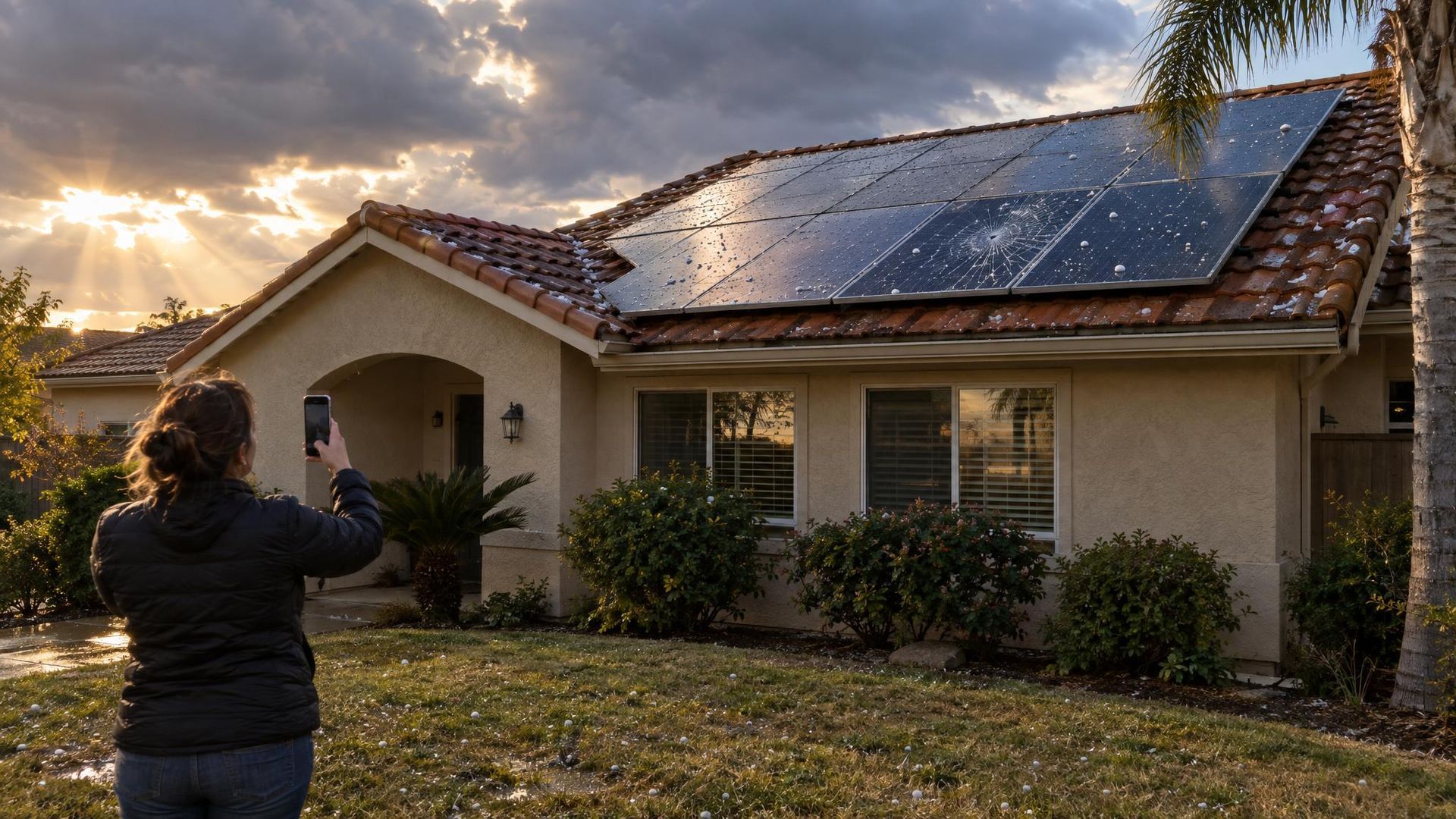
A windstorm drops a branch on your roof, or a letter arrives from your insurance company saying it won't renew your policy. The panels are bolted to your roof either way. Whose problem are they?
The answer depends almost entirely on how you got them. Owning, financing, leasing, and signing a PPA each put the risk, and the insurance bill, in a different place.
Who insures what, by contract type
- You paid cash. You own the panels. Roof-mounted systems are generally treated as part of your home, so they fall under your homeowners policy's dwelling coverage, as long as your coverage limit reflects what they cost to replace.
- You financed with a loan. You still own the system, so the same rule applies. Check your loan agreement, which may require you to keep the system insured.
- You have a lease or PPA. The solar company owns the panels and usually insures the equipment itself. Your homeowners policy still covers your roof and the house the system is attached to. When Sunnova launched its lease offering in 2021, for example, it advertised insurance coverage "taken on by Sunnova" at no extra cost. That's one company's marketing statement from five years ago, and Sunnova's portfolio has since changed hands, so your own contract is what counts.
Some leases push part of the insurance burden back onto the homeowner, which is why reading the contract matters more than any general rule.
What the CPUC tells you to ask
California's Solar Consumer Protection Guide, published by the CPUC, lists a question every buyer should ask: is there an insurance policy that comes with the solar system, or do you need to take out additional homeowners insurance? The guide notes that this is especially important if you live in fire-prone areas. It's worth asking again if you signed before reading the guide, or if your provider has changed. See the CPUC guide.
Why California's insurance squeeze makes this matter more
Several major insurers have pulled back from writing new homeowners policies in wildfire-prone parts of California, and some homeowners have been forced onto the California FAIR Plan, the insurer of last resort. The Department of Insurance has also issued bulletins under Insurance Code §675.1(b) that bar insurers from canceling or refusing to renew residential property policies for one year in ZIP codes within or adjacent to a fire perimeter after a declared state of emergency. See the Department's moratorium bulletin. If you're caught up in a non-renewal, the question isn't just "will my roof be covered?" but also "what does my lease require, and what happens if my coverage changes?"
If you lease: what to look for in your contract
Find the insurance section and look for answers to these:
- Who insures the equipment? And is that stated, or only assumed?
- Are you required to keep homeowners insurance? Some leases require it, and may require that the lessor be named on the policy.
- What happens if your coverage lapses or changes? Ask whether that counts as a default.
- Who handles a claim if the panels are damaged by fire, hail, wind, or a falling tree?
- What does the contract say about roof work or repairs? Removing and reinstalling panels is usually the lessor's job, and often has its own rules.
If you can't find the answer, ask the lessor or servicer in writing and keep their reply.
If something is damaged
- Take photos right away, before anything is moved.
- Report it promptly to your insurer and, if you lease, to the solar company or its servicer.
- Don't hire someone to repair leased equipment without checking your contract. Many contracts reserve repairs for the lessor.
- Separate installation problems from insurance claims. A roof leak caused by faulty installation is generally the installer's responsibility, not a homeowners claim. The CSLB complaint route is covered in our solar complaint agencies guide.
- Keep everything. Our documentation checklist covers how.
If your lessor changed hands
Insurance obligations travel with the contract, but the company behind it may be different from the one you signed with. After a bankruptcy or sale, ask the current owner or servicer to confirm in writing who insures the equipment. Our guide to who owns your solar loan or lease now shows how to identify them, and our guide to Sunnova's new ownership is one example.
Tell your own insurer, too
If you own your system, notify your carrier and ask whether your dwelling limit still covers the replacement cost. Many policies expect written notice of a major improvement, and a missing notice can complicate a claim. Insurers typically ask for the installer's license information, the permit number, equipment model numbers, and the commissioning report, so keep those handy.
Questions about insurance and solar
Does my homeowners policy cover leased panels?
Generally not for the equipment, which belongs to the lessor. It does cover your roof and the house. Check your contract for exceptions.
Do I have to tell my insurer I have solar?
It's strongly advisable. Many policies expect notice of a major improvement, and not telling your carrier can complicate a claim.
What if my insurer non-renews me and my lease requires coverage?
Contact the lessor in writing before your coverage lapses, ask what it requires, and don't let the policy end silently. The FAIR Plan may be a bridge, but confirm the lessor will accept it.
Not sure who insures your panels, or worried about a lease clause?
Send us your contract and we'll tell you what it says and where you stand, usually in one 15-minute call.
Call (213) 579-5156 or visit californiasolarexit.com.
Daniel Merritt is a Senior Solar Contract Analyst at California Solar Exit. This article is general information, not legal or insurance advice.
Other insights
More from California Solar Exit