Whether you're re-roofing, selling your home to a buyer who doesn't want them, or simply done with a system that never delivered on its promises — getting solar panels physically removed in California is more complicated than most homeowners expect. Here's what you need to know before you make a move.
Why Solar Panel Removal Is Harder Than It Sounds
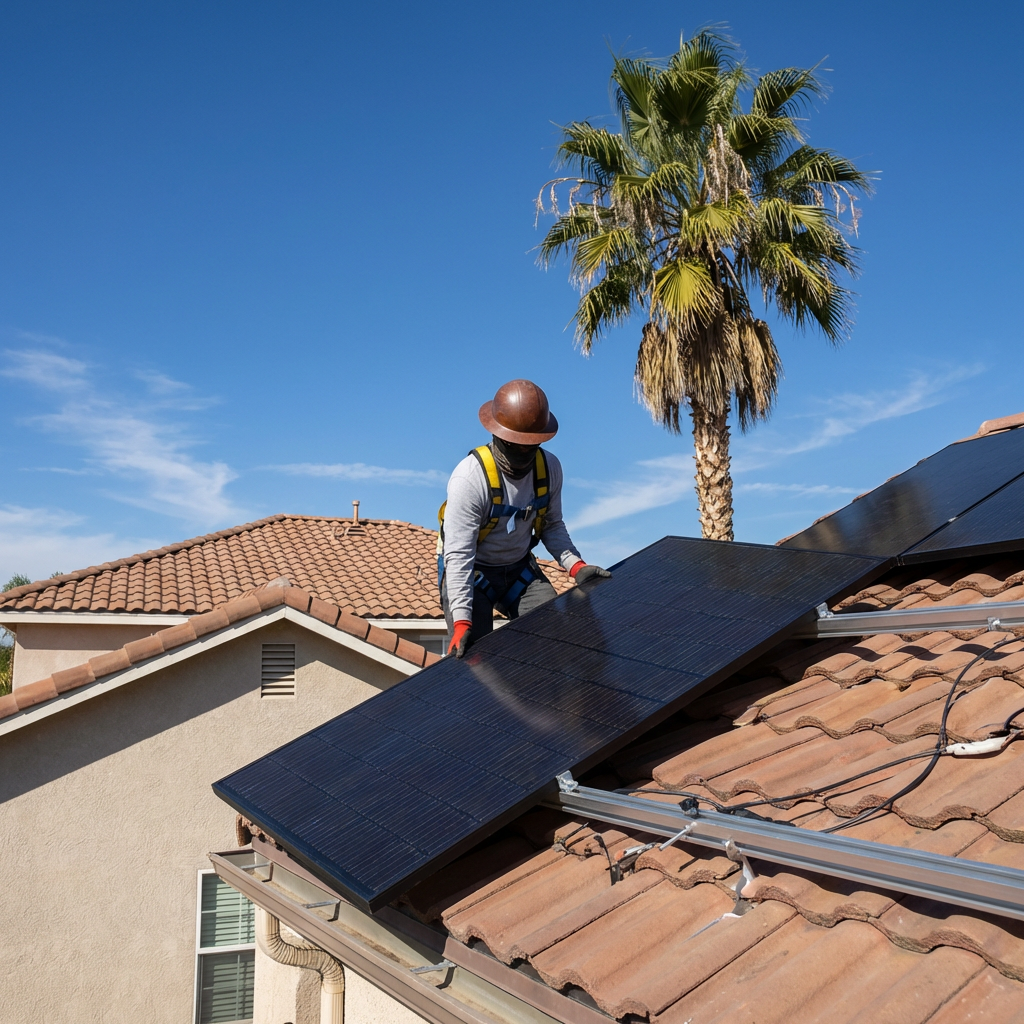
The panels themselves aren't the problem. Removal typically takes a licensed roofing or solar contractor one to two days. The complication is what's attached to them — your contract.
If you own your system outright, you can hire any licensed contractor to remove it. But if you're in a
lease, PPA, or loan, the panels may not legally be yours to remove. Taking them down without authorization could be considered conversion of property (in the case of a lease or PPA) or trigger an immediate default on your loan.
Before anything touches your roof, you need to understand what your contract actually says.
Who Pays for Removal — and When
- Lease or PPA: The solar company is responsible for removal at the end of the contract term, typically 20–25 years. Mid-contract removal is negotiable but rarely free — companies often charge $1,500–$5,000+ to remove their own equipment early.
- Solar loan: You own the panels, so removal is your cost — typically $1,000–$3,000 depending on system size and roof complexity. The loan balance still exists after removal.
- Purchased outright: Straightforward — hire a licensed contractor, budget $1,000–$2,500, and coordinate with your utility to disconnect net metering.
Re-Roofing With Solar Panels: What Contractors Require
Most roofing contractors in California will not re-roof under active solar panels. The panels must come down first, the roof replaced, and the panels reinstalled. If you're in a lease or PPA, you'll need written authorization from the solar company before your roofer can proceed — and the reinstallation must be done by an approved contractor, often at your expense even though you don't own the equipment.
Frequently Asked Questions
Can I force a solar company to remove their panels from my roof? At contract end, yes. Mid-contract, it depends on your agreement and the grounds for early termination. If the company misrepresented the system or went out of business, California consumer protection law may provide additional leverage.
What happens to the panels after removal? Owned panels can be sold, donated, or recycled. California has an active secondary market for used residential solar equipment. Leased panels are returned to the company.
Will removing solar panels damage my roof? A licensed contractor should leave your roof in the same condition it was found. Penetrations are sealed and flashing is addressed. Get this in writing before work begins.
Do I need a permit to remove solar panels in California? In most California jurisdictions, yes — a permit is required for disconnection from the electrical system. Your contractor should pull this.
Not sure what your contract allows?
Book a free consultation or call
(213) 579-5156. We'll review your agreement and walk you through your options before anything comes off your roof.