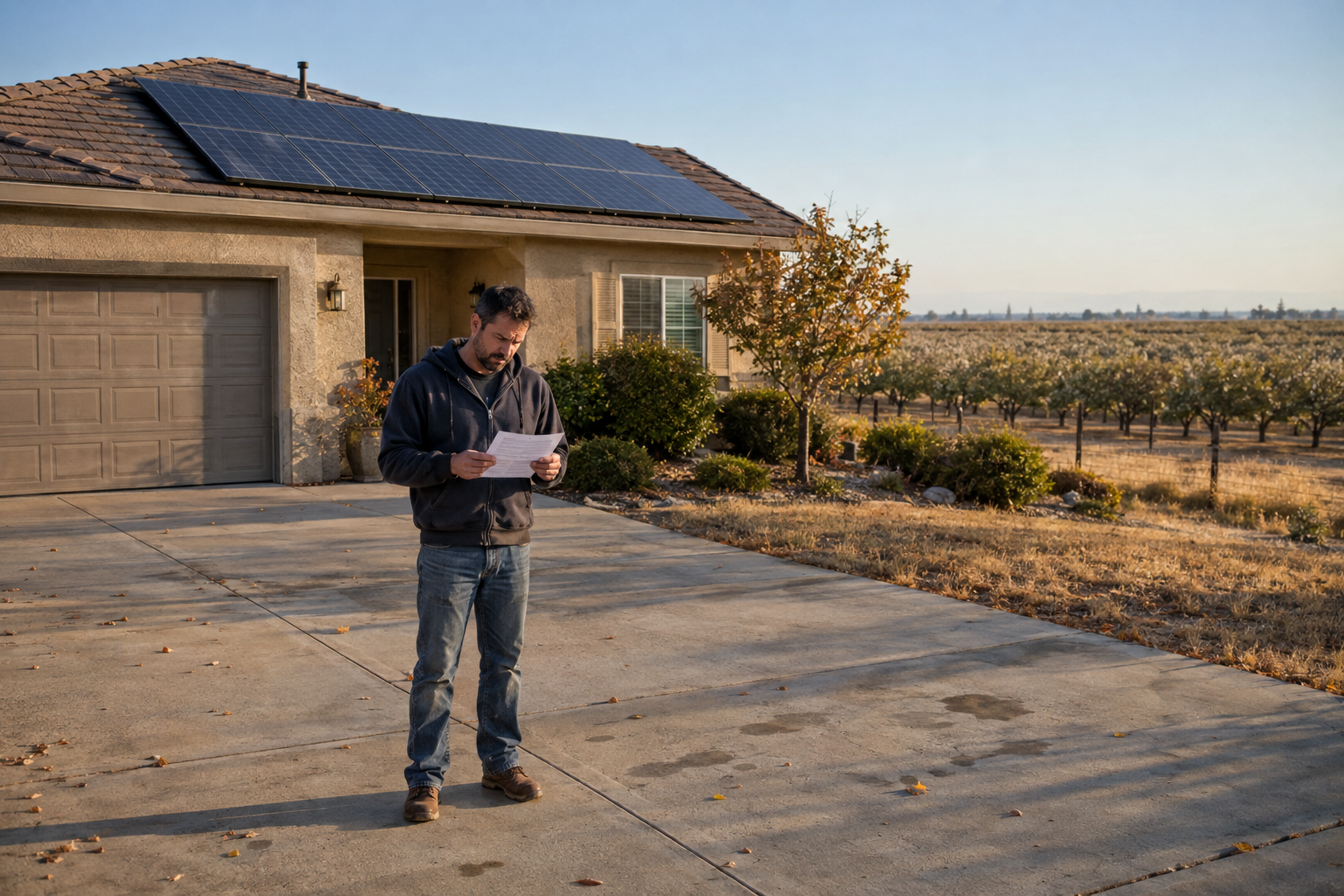
You’ve read enough. You know your solar bill doesn’t match what you were promised, or you found out there’s a lien on your house, or your installer went bankrupt and you don’t know who you’re even paying anymore. The idea of calling someone is less scary than the idea of doing nothing. But “free consultation” is a phrase that’s been worn smooth by a hundred companies trying to sell you something else once you’re on the phone. Here’s what an honest version of that call actually looks like.
Before you call: what to have in front of you
You don’t need everything. But having a few things on hand makes the call far more useful:
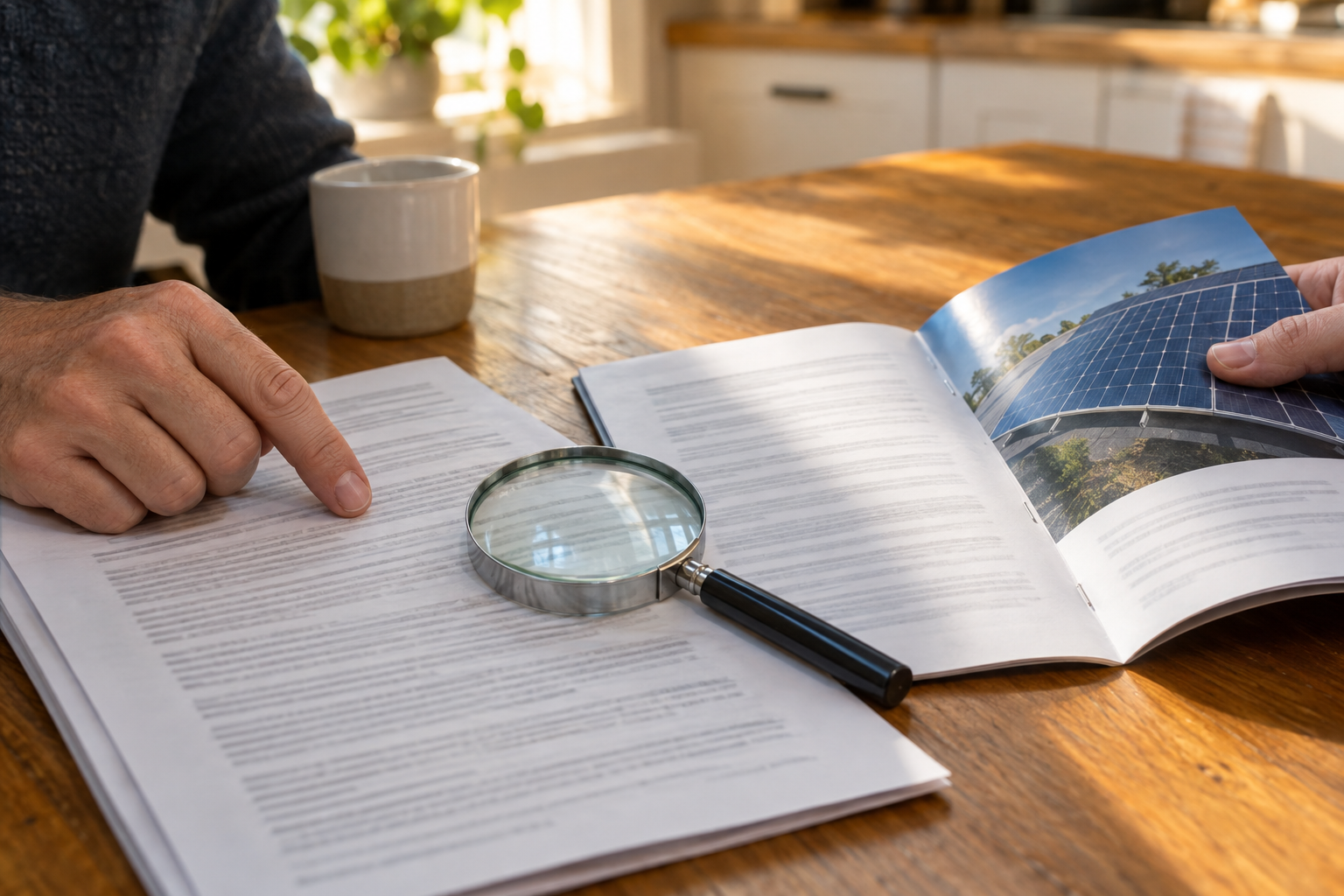
- Your solar contract, whatever you have of it, lease, PPA, or loan agreement.
- Your most recent utility bill and solar statement.
- Anything you remember being told at the sale, even if it’s not in writing.
- The name of the installer and the lender, if they’re different.
If you don’t have all of this, that’s fine. A real review can still start without it.
What the call is actually for
The point of the call isn’t to sell you anything in the first five minutes. It’s to figure out two things: what kind of contract you actually have, and whether there’s a documented problem with how it was sold or financed. Those two answers determine everything else.
A few questions you should expect:
- When did you sign, and what were you told about savings, incentives, or the tax credit?
- Do you own the system, or is it a lease or PPA?
- Has anything changed since you signed: a payment increase, a company going bankrupt, a lien you found out about, a system that isn’t producing what you were told?
- Do you still have the original paperwork, or do you need help tracking it down?
What a legitimate review should tell you
- Whether your situation looks like it has real grounds for a dispute, based on what you describe.
- What documentation would strengthen or weaken that, so you know what to go find.
- What the realistic range of outcomes looks like, without a guarantee attached to any of them.
- What it would cost to work with someone further, stated plainly, not buried until after you’ve committed.
What should make you hang up
- A guarantee that your contract will be cancelled, before anyone has seen it.
- Pressure to decide on the call itself, rather than time to think it over.
- Vague answers about who actually does the work once you sign up.
- No willingness to put anything in writing.
Our own guide to
spotting a solar exit scam covers these patterns in more detail, and it’s worth reading regardless of who you end up calling.
After the call
If the review turns up something worth pursuing, you should walk away from that conversation knowing what the next concrete step is, not just a vague sense that “someone will be in touch.” If it doesn’t, a straight answer that your contract doesn’t appear to qualify is more useful to you than a company that strings you along anyway.
Questions about the free review process
Does a free review cost anything if nothing comes of it?
A legitimate review shouldn’t. Ask directly before the call whether there’s any obligation attached to it.
Can a review happen if I don’t have my full contract anymore?
Often, yes. A reviewer can usually start with what you remember and your utility and solar statements, and help you figure out where to request the rest.
Will I get a guarantee that my contract can be cancelled?
No honest answer sounds like that. What you should get is a realistic sense of whether your situation has documented grounds for a dispute, based on your contract and what you were told at signing.
Ready to find out where you actually stand?
Call (213) 579-5156 for a free contract review, or send us your documents and we’ll tell you honestly what we see, usually in about 15 minutes.
By
Daniel Merritt, Senior Solar Contract Analyst
Daniel Merritt is a Senior Solar Contract Analyst at California Solar Exit. This article is general information, not legal advice, and results depend on the facts of each contract.