Solar Contract Cancellation in Los Angeles: LADWP and SCE Homes Across Los Angeles County
Signed a solar lease, PPA or loan in Los Angeles that isn't what you were promised? Solar contract cancellation in Los Angeles starts with three facts: how and when you signed, which utility serves your home, and what has been recorded against your property. We review all three for free and tell you honestly whether you have a way out.
Book your free solar contract review · or call (213) 579-5156
What does solar contract cancellation in Los Angeles actually involve?
It means getting released from, or renegotiating, the paperwork behind your panels: a lease, a power purchase agreement (PPA), a solar loan, or a PACE assessment on your property tax bill. It is about the contract and the debt, not about tearing panels off your roof.
Depending on your facts, a realistic outcome might be a cancellation inside the legal window, a negotiated buyout or transfer, a formal complaint, or a referral to a consumer attorney when the sale may have broken the law. Not every contract qualifies, and nobody can honestly guarantee a result. Our statewide guide to solar contract cancellation in California explains the general process. This page covers what is different in Los Angeles.
Is your home served by LADWP or Southern California Edison?
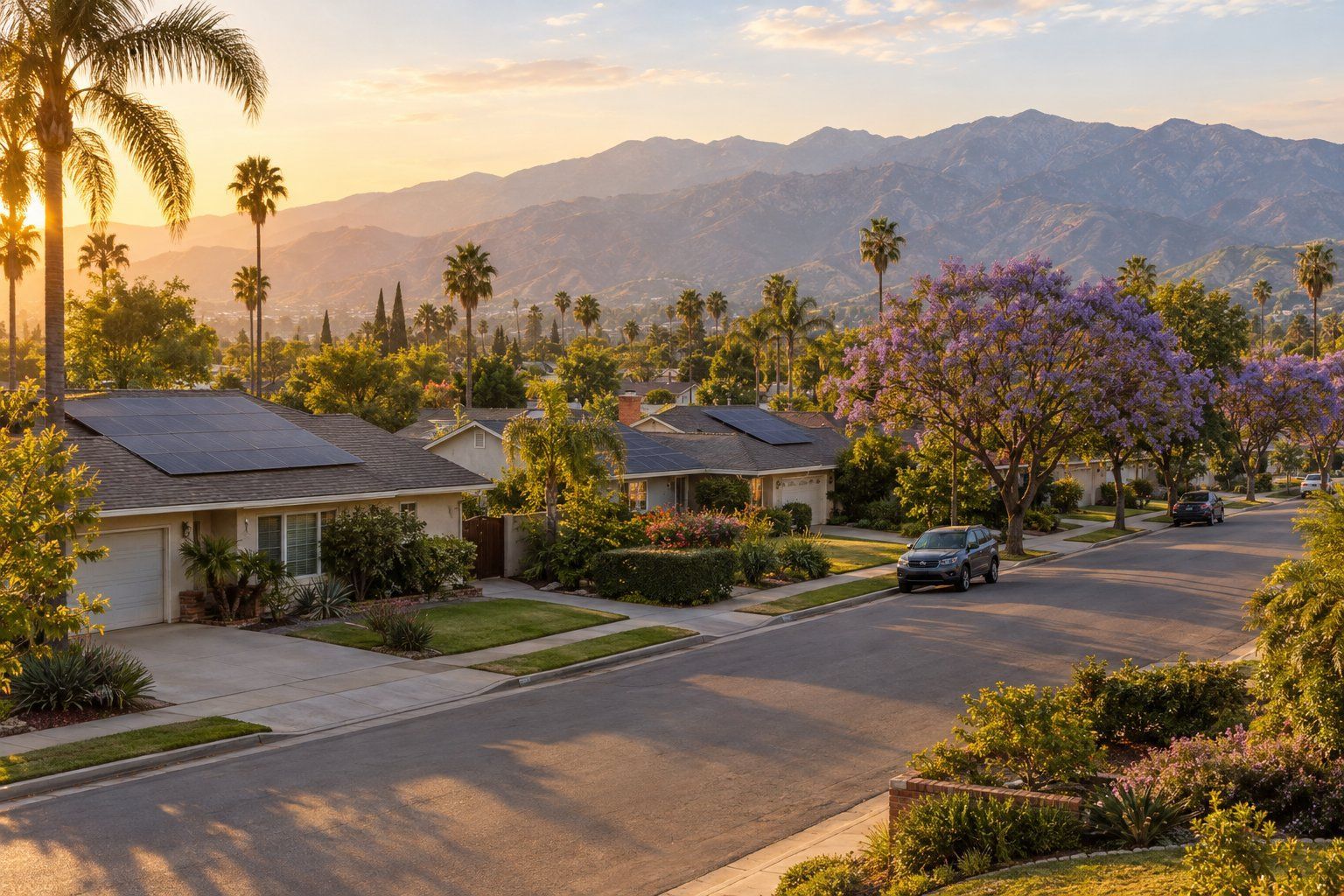
Check the name on your electric bill, because it changes how your solar savings were supposed to work. The Los Angeles Department of Water and Power serves nearly every address in the City of Los Angeles, including San Fernando Valley neighborhoods like Van Nuys, Reseda and Sylmar, and South LA neighborhoods like Watts and Leimert Park. Southern California Edison delivers power to much of the rest of the county, including unincorporated Westmont and the Antelope Valley cities of Lancaster and Palmdale. Burbank, Glendale and Pasadena run their own city utilities.
Here's why that matters:
- SCE homes that applied to connect solar on or after April 15, 2023 fall under the California Public Utilities Commission's Net Billing Tariff, usually called NEM 3.0. Exported power earns credits that are generally below what you pay for grid power.
- LADWP homes aren't covered by that CPUC decision. LADWP still runs its own net energy metering rider, which nets what your roof sends out against what you use each billing period.
A savings estimate built on the wrong utility's rules is worth documenting. Our post on how NEM 3.0 changed solar savings in California goes deeper.
One LADWP rule that matters for leases and PPAs. LADWP's net metering guidelines allow a leased system only if the lease runs at least 10 years, gives you an option to own the system by the end, and doesn't base payments on how much power the panels produce. The guidelines also say the sale of energy by anyone other than LADWP is prohibited, and they require the solar company and homeowner to file a Solar Lease Compliance Form. If you're on LADWP and pay a solar company by the kilowatt-hour, ask the company in writing how that complies. It doesn't automatically void your contract, but it's a fair question.
Is your three-day cancellation window still open?
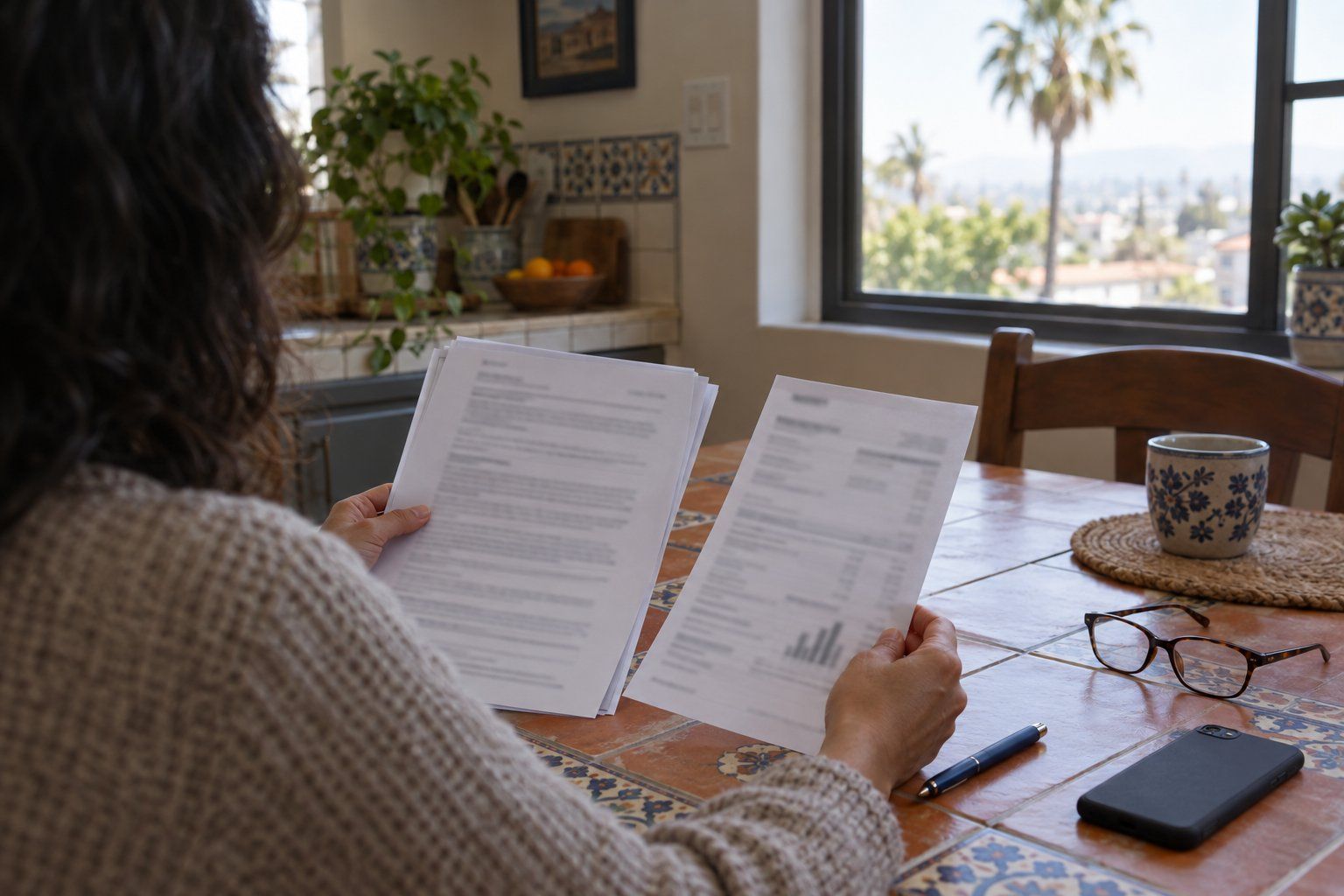
It might be, if you signed recently. Under California's Home Solicitation Sales Act (Civil Code 1689.6), you can generally cancel a contract sold at your home until midnight of the third business day, or the fifth business day if you're 65 or older. For home improvement contracts, the clock starts when you receive a signed, dated copy. Cancel in writing, to the address or email listed in the contract, and keep proof of when you sent it.
Your package should also include the Contractors State License Board's Solar Energy System Disclosure Document as the cover page, in the same language the salesperson used. If you were pitched in Spanish, Korean, Armenian or Tagalog and handed English-only paperwork, write that down. Our step-by-step guide covers how to cancel a solar contract after signing in California.
You may have read that SB 784 lengthened these windows. It hasn't. The bill passed the State Senate in 2025, but it was held in the Assembly Appropriations Committee on August 13, 2026, so today's three- and five-day rules still apply.
What if the salesperson misled you about savings, ownership or tax credits?
Misrepresentation can matter long after the three-day window closes. California's Consumers Legal Remedies Act prohibits misrepresenting what goods and services are or what they will do. Before suing for damages under it, you generally must send the company written notice by certified or registered mail at least 30 days ahead, and claims generally must be filed within three years.
Pitches worth writing down, with dates and names:
- "Your bill will go to zero." The CPUC's own consumer guide lists "you will never pay an electricity bill ever again" as a false claim.
- "It's a free government program." The CPUC says solar is rarely free, apart from a few income-qualified programs.
- "You'll get the 30% federal tax credit." The residential clean energy credit ended for systems installed after December 31, 2025, and lease and PPA customers couldn't claim it in the first place.
- "It's a lease" when the paperwork is a loan, or the other way around.
Read more about solar misrepresentation in California and cancelling a deceptive solar loan.
How do you find a solar lien or fixture filing in Los Angeles County?
Search two places: the California Secretary of State and the Los Angeles County Registrar-Recorder/County Clerk. Solar lenders commonly file a UCC-1 financing statement with the Secretary of State, which you can search free on bizfile Online using your name as the debtor.
Some lenders also record a fixture filing against the property with the county, and that search is harder in LA. The Registrar-Recorder doesn't offer online access to its real estate or UCC indexes. You search the alphabetical UCC index in person at its Norwalk headquarters, with appointments available up to three weeks ahead, then request copies of what you find.
PACE is different. It is repaid through your property tax bill, and the CPUC notes that it creates a first-priority lien on your home. Our guide to a solar lien on your house in California explains removal. If fire damaged your home, the Registrar-Recorder offers property records at no cost to directly affected residents, and our post on solar loans and leases after a home is destroyed by fire covers the contract side.
Where can Los Angeles homeowners report a solar company?
Start with the agency that fits your problem, and file with more than one if it makes sense:
- LA County Department of Consumer and Business Affairs (DCBA): investigates consumer fraud complaints, offers mediation, and can refer serious offenders to law enforcement. File online or call 800-593-8222.
- Contractors State License Board (CSLB): has a dedicated solar complaint form that asks about door-to-door sales, how the system was financed, and signatures you didn't make.
- Department of Financial Protection and Innovation (DFPI): oversees PACE program administrators.
- Public Counsel: listed by the CPUC as a free legal resource in Los Angeles County for PACE problems and low- or moderate-income homeowners.
A complaint creates an official record, but it doesn't cancel a contract on its own. See how to file a solar complaint in California.
Should you stop paying while you sort this out?
That's a decision to make with advice, not on impulse. We don't advise for or against paying any obligation. Missed loan payments can hurt your credit, and the CPUC warns that unpaid PACE assessments can lead to foreclosure. Our post on whether cancelling solar affects your credit score walks through the trade-offs.
Which Los Angeles communities do you work with?
All of them, remotely. We work by phone and email with homeowners from the San Fernando Valley to South LA, the Westside, the San Gabriel Valley and the Antelope Valley, and no office visit is required. Our address is downtown at 617 W 7th St., but most reviews happen over the phone.
How does California Solar Exit help, and what can't we do?
We read your contract, disclosure documents, and utility and lender records, then explain your realistic options in plain English. California Solar Exit is a consumer advocacy firm that works with general counsel. We're not a law firm and don't give legal advice. When a case needs a lawyer, we refer you to licensed California consumer protection attorneys.
If you're ready to work with a specialist team directly, we refer homeowners to Solar Equity Solutions, a California solar exit specialist. We can't promise a cancellation, panel removal or any particular outcome. Most case reviews take less than 15 minutes, and our team replies within one business day.
Book your free review · Call (213) 579-5156 · 617 W 7th St, Los Angeles, CA 90017
California Solar Exit is a consumer advocacy firm, not a law firm. This page is general information, not legal, tax or financial advice, and contacting us doesn't create an attorney-client relationship. We don't advise for or against paying any financial obligation. Not all solar contracts qualify for cancellation, and individual results vary.
Solar Contract Cancellation in Los Angeles: FAQs
Got a question? We're here to help.
Can I cancel a solar contract in Los Angeles after the three-day window?
Sometimes. Once the three-day window (five days if you're 65 or older) closes, options depend on how the contract was sold and what it says. Misrepresentation, a missing disclosure document or paperwork in the wrong language can support a claim under the Consumers Legal Remedies Act. A buyout or transfer may also be possible. Nothing is guaranteed.
Does NEM 3.0 apply to my solar system if LADWP is my utility?
No. NEM 3.0 is the California Public Utilities Commission's Net Billing Tariff, and it covers PG&E, SCE and SDG&E customers. LADWP runs its own net energy metering rider and sets it through its board and the Los Angeles City Council. If your savings estimate assumed Edison's rules for an LADWP home, keep that estimate.
Can a solar company sell me a per-kilowatt-hour PPA in LADWP territory?
LADWP's net metering guidelines say the sale of energy by anyone other than LADWP is prohibited. They allow leases of at least 10 years with an ownership option and payments not tied to production. If you pay a solar company by the kilowatt-hour on LADWP, ask in writing how your agreement complies. That alone doesn't cancel it.
How do I check for a solar fixture filing at the Los Angeles County Recorder?
In person. The Los Angeles County Registrar-Recorder/County Clerk doesn't put its real estate or UCC indexes online. Book an appointment at the Norwalk headquarters, up to three weeks ahead, and search the alphabetical index by name and year. For UCC-1 filings, also search the California Secretary of State's free bizfile Online database.
Will LA County DCBA cancel my solar contract?
Not directly. The Los Angeles County Department of Consumer and Business Affairs investigates consumer fraud complaints, offers mediation and can refer serious offenders to law enforcement. That creates a record and sometimes pressure to resolve things. You can file online or call 800-593-8222. Pair it with a CSLB solar complaint if a contractor was involved.
I live in Lancaster or Palmdale. Which solar rules apply to me?
Southern California Edison delivers your power, even if Lancaster Energy or Palmdale's EPIC Energy community choice program supplies it. Solar connected through SCE on or after April 15, 2023 falls under the CPUC's Net Billing Tariff, so exports earn lower credits than older net metering. Compare that with any savings promise in your contract.
Do I need to visit your downtown Los Angeles office?
No. We work remotely by phone and email with homeowners across Los Angeles County, from the San Fernando Valley to the Antelope Valley. Most case reviews take less than 15 minutes, and our team replies within one business day. Have your contract, your latest utility bill and any lender statements handy when we talk.
Is California Solar Exit a law firm, and is the review free?
We're not a law firm, and the contract review is free. We're a consumer advocacy firm that works with general counsel. We explain your options in plain English and refer you to licensed California consumer protection attorneys when a case needs legal advice. We don't promise cancellation or tell you whether to keep paying.