Latest insights
US Solar Installations Are Falling — But Not in California. Here's What That Means for You.

US Solar Installations Are Falling — But Not in California. Here's What That Means for You.
The national residential solar market is in trouble. According to a June 2026 report from BloombergNEF, the US is on track to add just 4.1 gigawatts of new residential solar this year — a 15% drop from 2025 and the lowest installation volume in five years. Even more telling: the market isn't expected to return to its 2023 peak levels for at least a decade.
California is one of the few states bucking that trend. Installations here are projected to grow 17% in 2026. On the surface, that sounds like good news. But if you're a California homeowner already locked into a solar contract that isn't delivering, the state's continued solar activity doesn't help you — it just means more people are signing the same kinds of agreements you're trying to get out of.
Why Is US Residential Solar Declining So Sharply?
The primary driver is the elimination of the federal 30% residential solar tax credit — the Section 25D Investment Tax Credit — which expired at the end of 2025 under the One Big Beautiful Bill Act. This credit had long made rooftop solar financially viable for millions of homeowners. Without it, system costs jumped overnight for anyone financing a purchase.
Tariffs on imported solar equipment have compounded the problem. Major installers are already feeling the pressure: Sunrun is projecting a 25% decline in US residential solar additions this year, while Enphase Energy and SolarEdge are each expecting drops of 22% and 20% respectively.
The Wood Mackenzie analysis puts it plainly — the second half of 2025 saw a rush of installations as homeowners scrambled to lock in the tax credit before it disappeared. That demand was borrowed from the future, and 2026 is paying the price.
Why Is California Growing When the Rest of the Country Is Contracting?
California's growth is driven by a combination of state-level policy support, high electricity rates from utilities like Pacific Gas & Electric and Southern California Edison, and aggressive installer activity that continued even as federal incentives eroded.
The California Public Utilities Commission (CPUC) and programs tied to NEM 3.0 — the net energy metering successor policy — have reshaped the economics of rooftop solar in the state. Battery storage adoption is accelerating alongside it: nationally, 40% of new residential solar systems installed in Q1 2026 included batteries, up from 35% in 2025.
Florida is the only other state showing comparable growth, driven by new pro-solar legislation. Everywhere else, the story is contraction.
Does California's Solar Growth Mean the Industry Is Healthy Here?
Not necessarily. Sustained installer activity doesn't mean every contract being signed — or already in place — is a fair one. The same market conditions that are keeping California's installation numbers up are also keeping aggressive solar companies operating at full volume here.
High electricity rates create urgency. Installers exploit that urgency. And many of the contracts being pitched in 2026 carry the same 25-year term lengths, escalation clauses, and lease-over-purchase structures that have trapped California homeowners for years.
If you're currently in a solar agreement that isn't working — whether it's underperforming, financially burdensome, or tied to a company that's since gone bankrupt or exited the market — the state's overall solar health doesn't change your situation.
What Options Do Homeowners Have If Their Solar Contract Isn't Working?
California homeowners in problematic solar agreements generally have a few paths available depending on how the contract is structured:
Lease and PPA contracts (where you don't own the panels) can sometimes be transferred, negotiated, or exited based on the installer's status, your payment history, and whether any misrepresentations were made at signing.
Loan-financed purchases (where you do own the panels) may qualify for resolution through lender dispute channels, especially if the system was misrepresented during the sales process or if CPUC-regulated performance expectations weren't met.
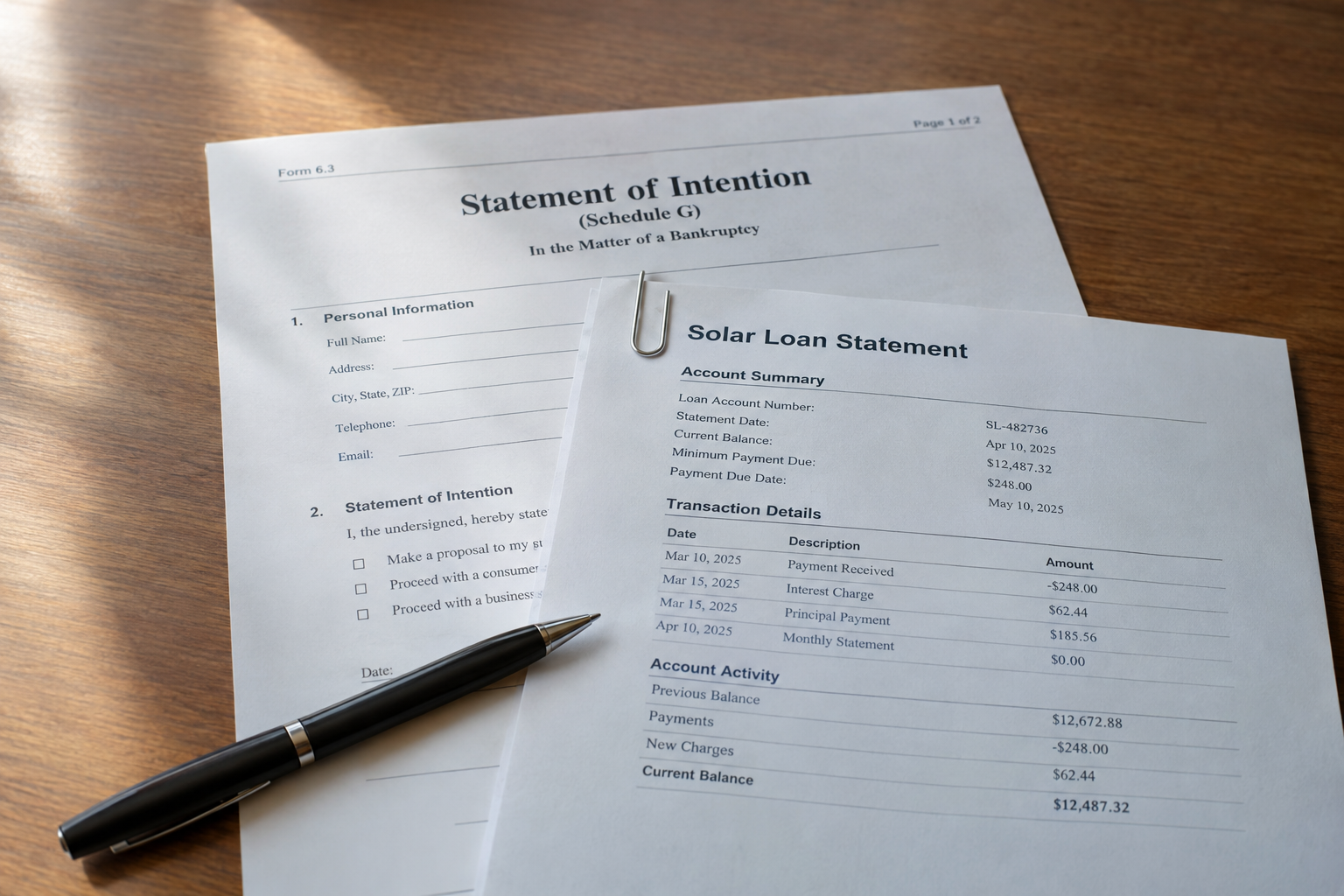
Bankruptcy of the original installer — a growing issue as major players like SunPower have faced financial distress — can create additional leverage for resolution.
The Solar Energy Industries Association (SEIA) and the CPUC both maintain complaint and mediation resources, though navigating them without professional help is difficult.
If you're unsure whether your situation qualifies for exit or resolution, California Solar Exit offers a free consultation to review your contract and explain your options.
Is Battery Storage Worth Adding If You're Already in a Bad Solar Agreement?
Probably not. Adding a home battery system — even with the appeal of backup power or increased energy independence — doesn't resolve the underlying contract problems with your existing solar panels. It may actually deepen your financial exposure by layering a new financing obligation on top of a system you're already trying to exit.
BloombergNEF analyst Cosmo van Steenis noted that "battery storage is the future of home solar" — and that's likely true for new, well-structured systems. But adding storage to a broken arrangement is patching the roof while the foundation is cracked.
Resolve the contract issue first. Then evaluate storage from a clean slate.
Frequently Asked Questions
What caused the US residential solar market to decline in 2026?
The expiration of the federal Section 25D Investment Tax Credit at the end of 2025, combined with equipment tariffs and high interest rates, caused US residential solar installations to fall to their lowest level in five years, according to BloombergNEF's June 2026 report.
Why is California's solar market still growing when the rest of the US is declining?
California benefits from strong state-level policy support through the CPUC, high utility rates from providers like PG&E and SoCal Edison, and continued installer activity tied to NEM 3.0 net metering rules — factors that partially offset the loss of federal tax incentives.
Can I exit a solar lease or PPA in California?
It depends on your contract terms, the status of the installer, and whether any misrepresentation occurred during the sales process. Many California homeowners have successfully exited or modified agreements with professional help.
Contact California Solar Exit for a free contract review.
Does solar market growth mean solar companies are being more trustworthy?
No. High installation activity means more contracts are being signed, not necessarily better ones. Predatory terms, long escalation clauses, and lease-heavy structures remain common in the California market.
What should I do if my solar installer went bankrupt?
Installer bankruptcy can actually create leverage for contract resolution. Document your agreement, payment history, and any communications, then consult with a solar exit specialist to understand your options under California law.
Other insights
More from California Solar Exit
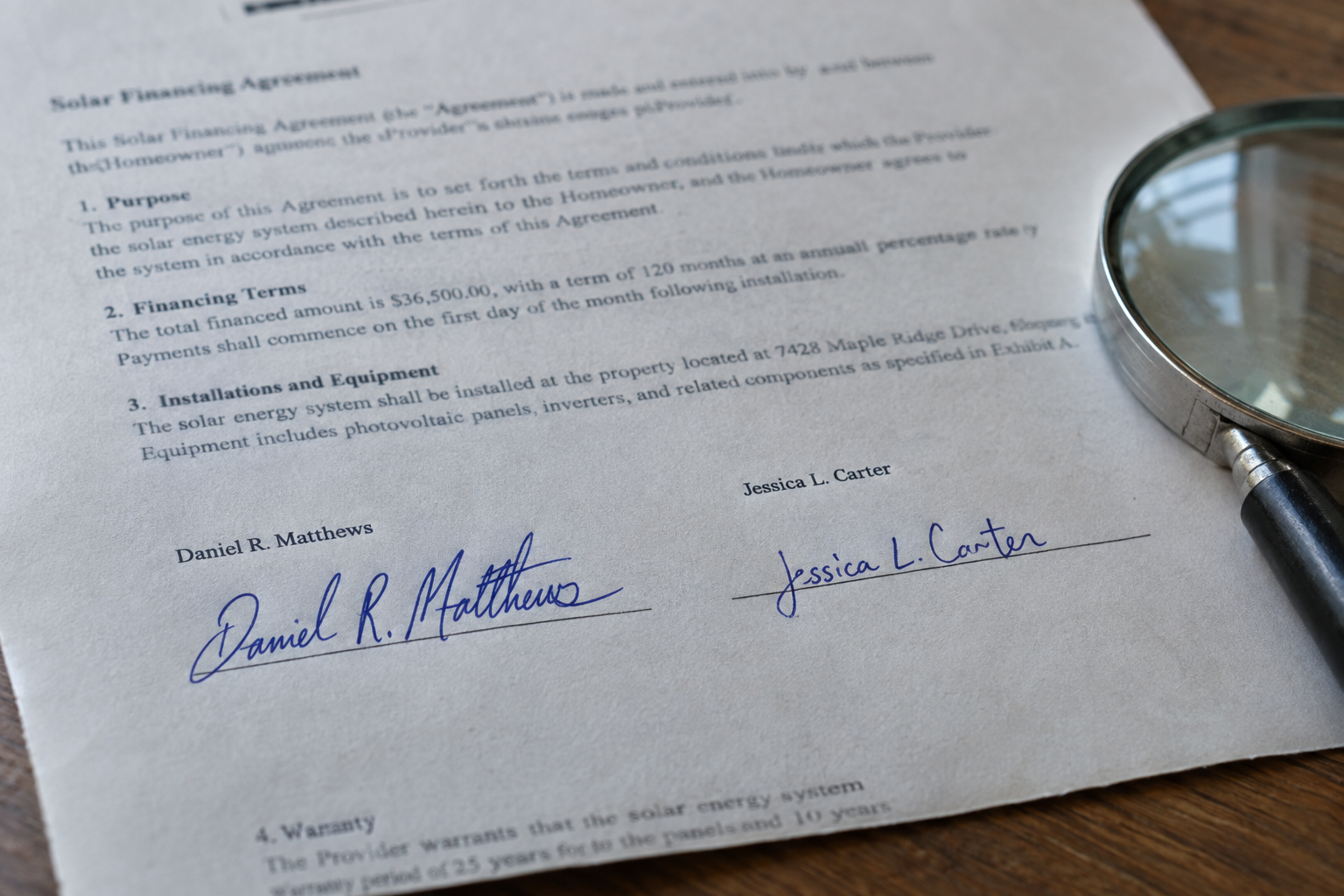
A Federal Court Just Said "No" to Forcing Arbitration — Because the Signature Might Not Even Be Real