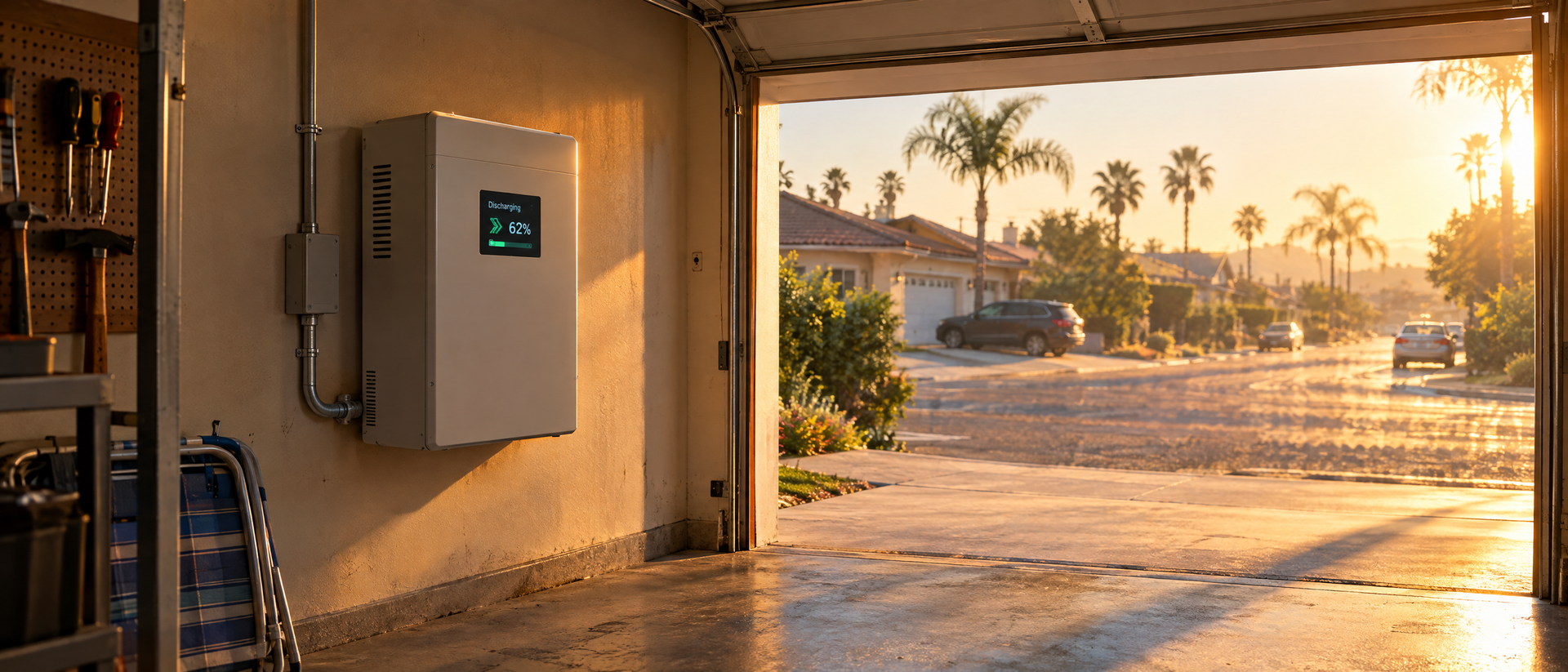
On September 9, 2026, during a serious California heat wave, something happened that had never happened before at this scale: Sunrun and Tesla coordinated more than 140,000 home battery systems to send a combined 580 megawatts back to California's grid, described as the largest residential distributed power plant dispatch event on record — enough capacity to power every household in an entire county.
If you have a home battery paired with a Sunrun system, there's a real chance you were part of that event without necessarily realizing the scale of what you contributed to. This is exactly what a virtual power plant program is designed to do: instead of building one enormous power plant, utilities coordinate thousands of individual home batteries to act together as one, discharging stored solar power back to the grid during exactly the hours demand peaks hardest — typically late afternoon into evening on the hottest days of the year.
Why This Matters Beyond the Headline Number
This isn't just a good statistic for a press release — it's a genuine signal about how California's grid actually works now. A decade ago, solar accounted for roughly 17% of the state's electricity, with only 61 megawatts of battery storage statewide. Today, the California Independent System Operator manages 16 gigawatts of storage capacity, an increase of more than 26,000% over that period. Events like this one are becoming the actual mechanism keeping the lights on during extreme heat, not a backup plan — which is part of why utilities are increasingly building financial incentives around getting more homeowners enrolled.
What This Means If You're Already Enrolled
If you're already part of a program like SCE's CalReady or a similar Sunrun-Tesla VPP arrangement, events like this are exactly what you signed up to participate in — your system automatically discharges stored energy back to the grid during a declared event window, and depending on your specific program's terms, that participation can come with a credit or payment. If you've never actually confirmed what your enrollment terms say about compensation, frequency of events, or your ability to opt out of a specific event, a record-setting event like this one is a good prompt to actually go check, rather than assuming your system is just quietly doing something in the background with no real financial detail attached.
What This Means If You're Not Enrolled — or Not Sure
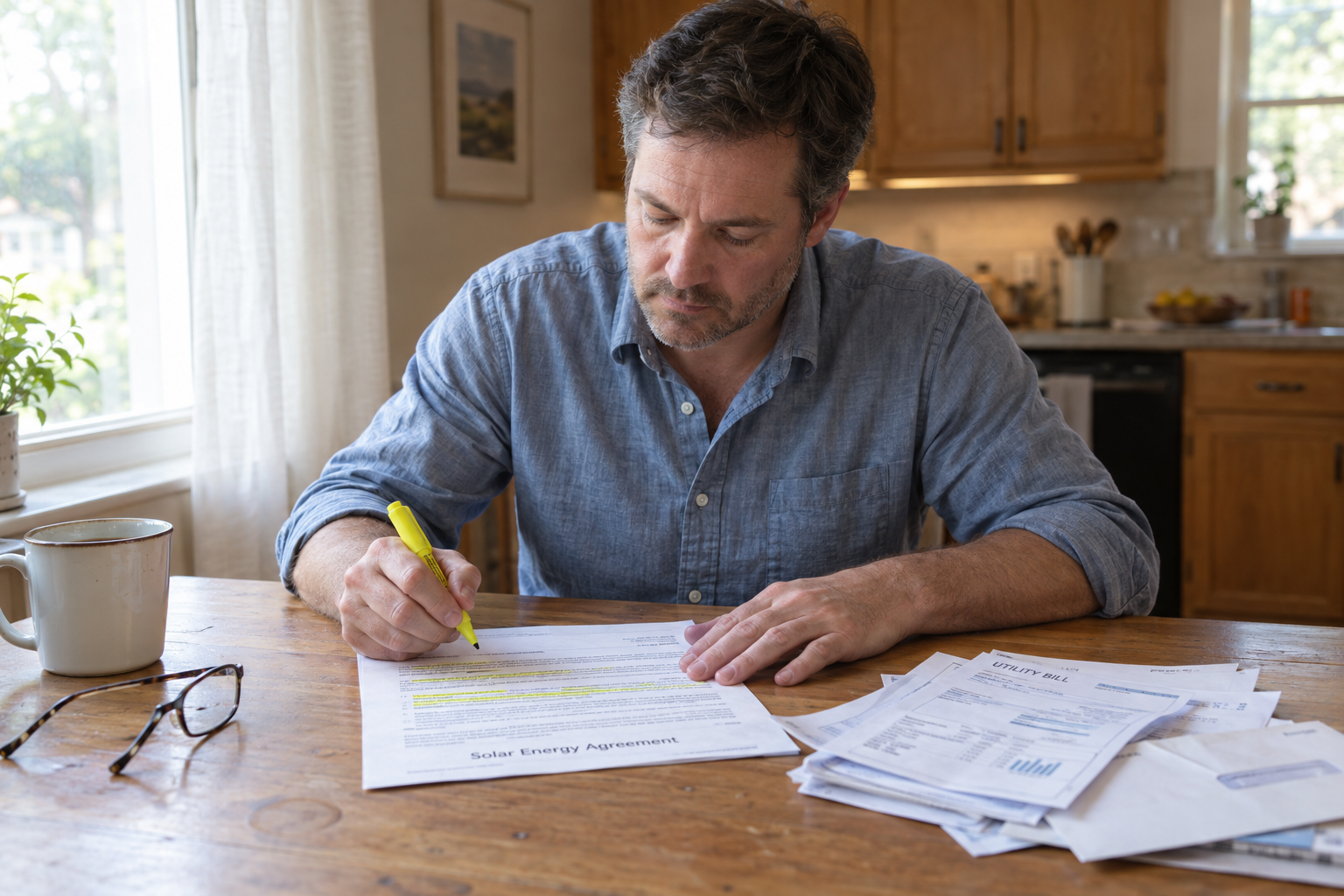
If you have a battery system and you're not sure whether you're enrolled in a VPP program at all, that's worth clarifying directly with your utility or solar company, since enrollment isn't always something homeowners actively opted into with full understanding of the terms — sometimes it's bundled into paperwork signed at installation without much explanation of what it actually involves. That's not necessarily a bad thing, but understanding what you agreed to, what you're compensated for, and what control you retain over your own system during a declared event is basic information you're entitled to have clearly, not buried in fine print.
Not sure what your solar or battery contract actually says about grid participation programs like this one, or want a plain-language review of your enrollment terms?
Call (213) 579-5156 or visit californiasolarexit.com.
Daniel Merritt is a Senior Solar Contract Analyst at California Solar Exit.