Latest insights
California’s New Arbitration Law Could Limit Your Solar Company’s “Infinite” Clause
California’s New Arbitration Law Could Limit Your Solar Company’s “Infinite” Clause
You signed a solar lease years ago. Buried in it was an arbitration clause, the kind that says any dispute between you and the company has to go to a private arbitrator instead of a court. Those clauses have always been broad, often written to cover not just problems with the solar system itself, but almost anything that could ever come up between you and the company, for as long as you’re a customer.
A new California law, in effect since January 1, 2026, puts a real limit on that.
What SB 82 does
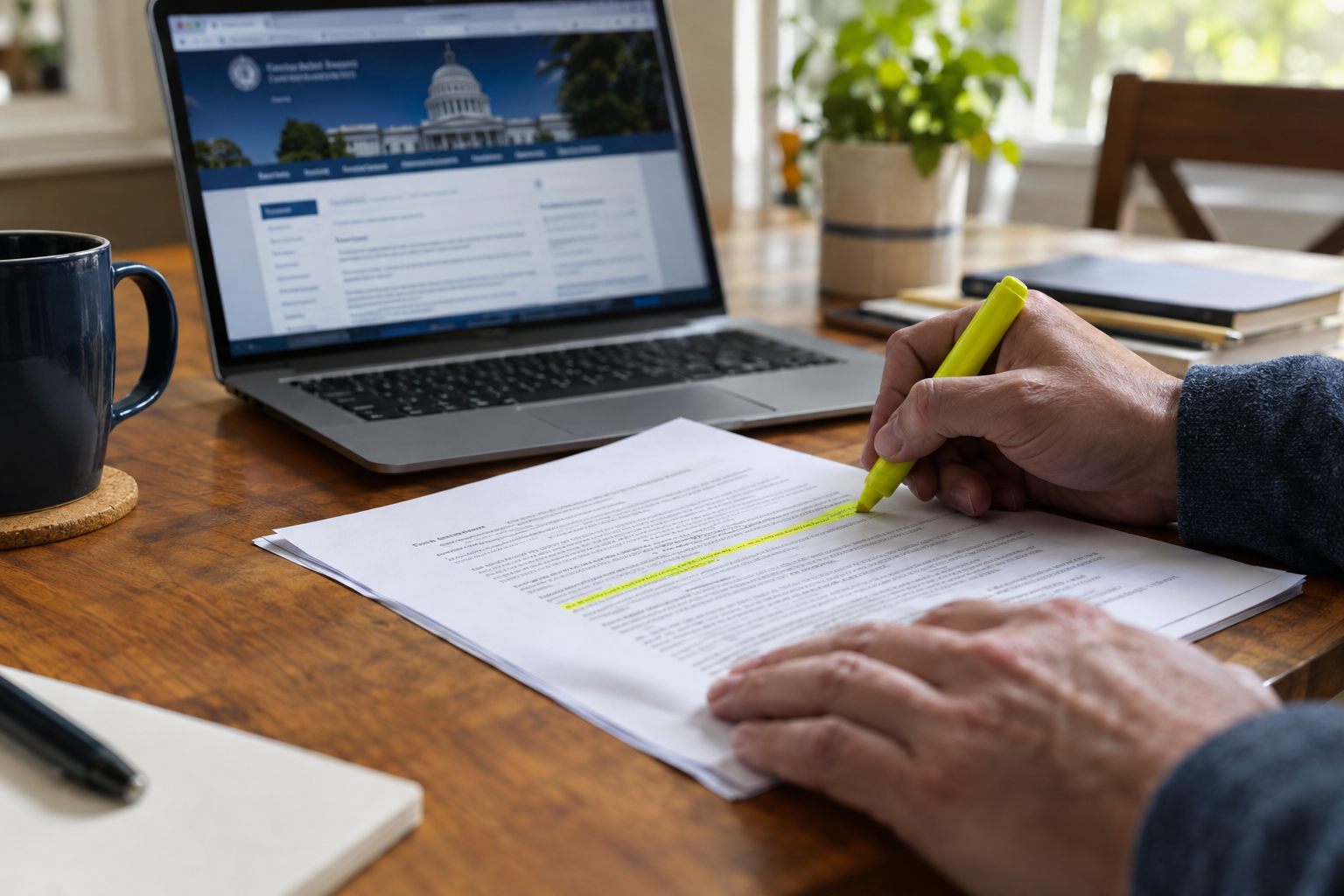
Senate Bill 82, signed by Governor Newsom on October 6, 2025, added Section 1670.15 to the California Civil Code. It targets what critics call “infinite arbitration clauses,” provisions written broadly enough to force arbitration of disputes that have nothing to do with the product or service a consumer actually signed up for.
The law applies to “consumer use agreements,” defined broadly as any contract a consumer enters into to use, receive, or otherwise enjoy a good, service, money, or credit, which covers solar leases, PPAs, and loan agreements. Under the statute, a dispute-resolution provision in one of these agreements can only reach claims that arise out of and relate to that specific contract, the use of the specific product or service it covers, and the payment for it. A clause written to sweep in unrelated disputes is void and unenforceable to that extent, and the statute specifically says any attempt to waive this protection is against public policy and unenforceable.
Why this example keeps coming up
Supporters of the bill, including Consumer Attorneys of California, pointed to a widely discussed case where a wrongful death lawsuit was nearly pushed into arbitration because the plaintiff’s spouse had, years earlier, signed up for a Disney+ free trial that happened to include an arbitration clause. SB 82 is aimed at exactly that kind of overreach: a clause signed for one purpose being stretched to cover something the consumer never agreed to arbitrate.
What this could mean for a solar contract
Solar arbitration clauses have already drawn scrutiny in California courts on other grounds. In Cabatit v. Sunnova Energy Corp., a published 2021 appellate decision, the court found a solar lease’s arbitration clause unconscionable because it was one-sided, the homeowner wasn’t shown a copy of the agreement, and the clause wasn’t explained before signing. SB 82 adds a different kind of argument, one about scope rather than fairness: even where an arbitration clause is otherwise enforceable, it may not reach disputes unrelated to the solar product or service itself.
I haven’t found a published case yet applying SB 82 specifically to a solar contract, which makes sense given how new the law is. But the question it raises is a real one worth asking about your own agreement: does your solar company’s arbitration clause try to cover disputes beyond the system itself, such as unrelated financial products, other services the company or its affiliates sold you, or conduct that has nothing to do with your solar installation? If so, SB 82 may limit how much of that a company can actually force into arbitration.
What to do if you think this applies to you
- Read your arbitration clause closely. Look for broad language like “any dispute arising from our relationship” rather than language tied specifically to the solar system, its installation, or its financing.
- Note what the dispute is actually about. SB 82’s protection is about the scope of the arbitration clause relative to the claim, so a dispute closely tied to the system itself is treated differently than one that isn’t.
- Don’t assume this bill affects enforceability generally. SB 82 narrows what an arbitration clause can reach; it doesn’t eliminate arbitration clauses from solar contracts altogether, and it’s expected to face legal challenges over whether federal arbitration law preempts it.
- Keep your documentation together regardless of which argument eventually applies. Our documentation checklist covers what to gather.
If you’re already dealing with an arbitration clause a solar company is trying to enforce, our guide to challenging a solar arbitration clause covers the unconscionability arguments that have succeeded in California courts, which this new law supplements rather than replaces.
Questions about SB 82 and solar arbitration clauses
Does SB 82 apply to solar leases and loans signed before January 1, 2026?
The statute doesn’t clearly say. Legal analysts have flagged this as an open question, since SB 82 is silent on how it treats agreements that predate its effective date but continue or are later amended. This is genuinely unsettled, and a contract review can help sort out whether it’s relevant to your situation.
Does SB 82 mean I can avoid arbitration entirely on my solar contract?
Not by itself. It limits what an arbitration clause can cover, it doesn’t void arbitration clauses generally. A clause tied specifically to disputes about your solar system is likely still enforceable under SB 82.
Is SB 82 likely to be challenged in court?
Yes. Multiple legal analysts expect it to face a preemption challenge under the Federal Arbitration Act. Until a court rules otherwise, it remains effective in California.
Think your solar company’s arbitration clause reaches further than it should, or want help understanding your contract’s dispute resolution terms? Send us your contract and we’ll tell you where you stand, usually in one 15-minute call.
Call (213) 579-5156 or visit californiasolarexit.com.
By Daniel Merritt, Senior Solar Contract Analyst
Daniel Merritt is a Senior Solar Contract Analyst at California Solar Exit. This article is general information, not legal advice, and results depend on the facts of each contract.
Other insights
More from California Solar Exit