Latest insights
Titan Solar Power Is Gone for Good. Your Contract Isn't.
Titan Solar Power Is Gone for Good. Your Contract Isn't.
On June 13, 2024, Titan Solar Power emailed its employees that it was closing its doors, having failed to find a buyer. A week later, on June 20, the Arizona-based installer filed for Chapter 7 bankruptcy and reported between 5,001 and 10,000 creditors. In that same email, Titan said it had put more than 100,000 households on solar. It sold and installed systems in California as well as Arizona and a number of other states.
Homeowners found out the way people usually do. The phone number stopped working, the website went dark, and the monitoring app stopped updating. The loan payment kept coming due on the first of the month.
Chapter 7 means there is nobody to call
Some solar bankruptcies end with a buyer taking over the customer book. Sunnova's did. Titan's didn't. A Chapter 7 is a liquidation: the company stops operating and a trustee sells what's left. There is no reorganized Titan to answer a warranty claim and no successor that inherited your service contract.
The workmanship warranty Titan gave you is now just a claim against the bankruptcy estate. The window to file that claim reportedly closed in March 2025, so confirm the date on the court docket rather than taking our word for it. Either way, unsecured creditors in a liquidation with thousands of others in line often recover very little. Your leverage isn't there.
Equipment warranties are a different matter. The panel and inverter manufacturers made those promises, not Titan, and they don't disappear because the installer did. The coverage that's really gone is the workmanship: the wiring, the mounting, and above all the roof penetrations. Those are the parts most likely to fail years from now, and nobody else is on the hook for them.
Look at the name on the payment coupon
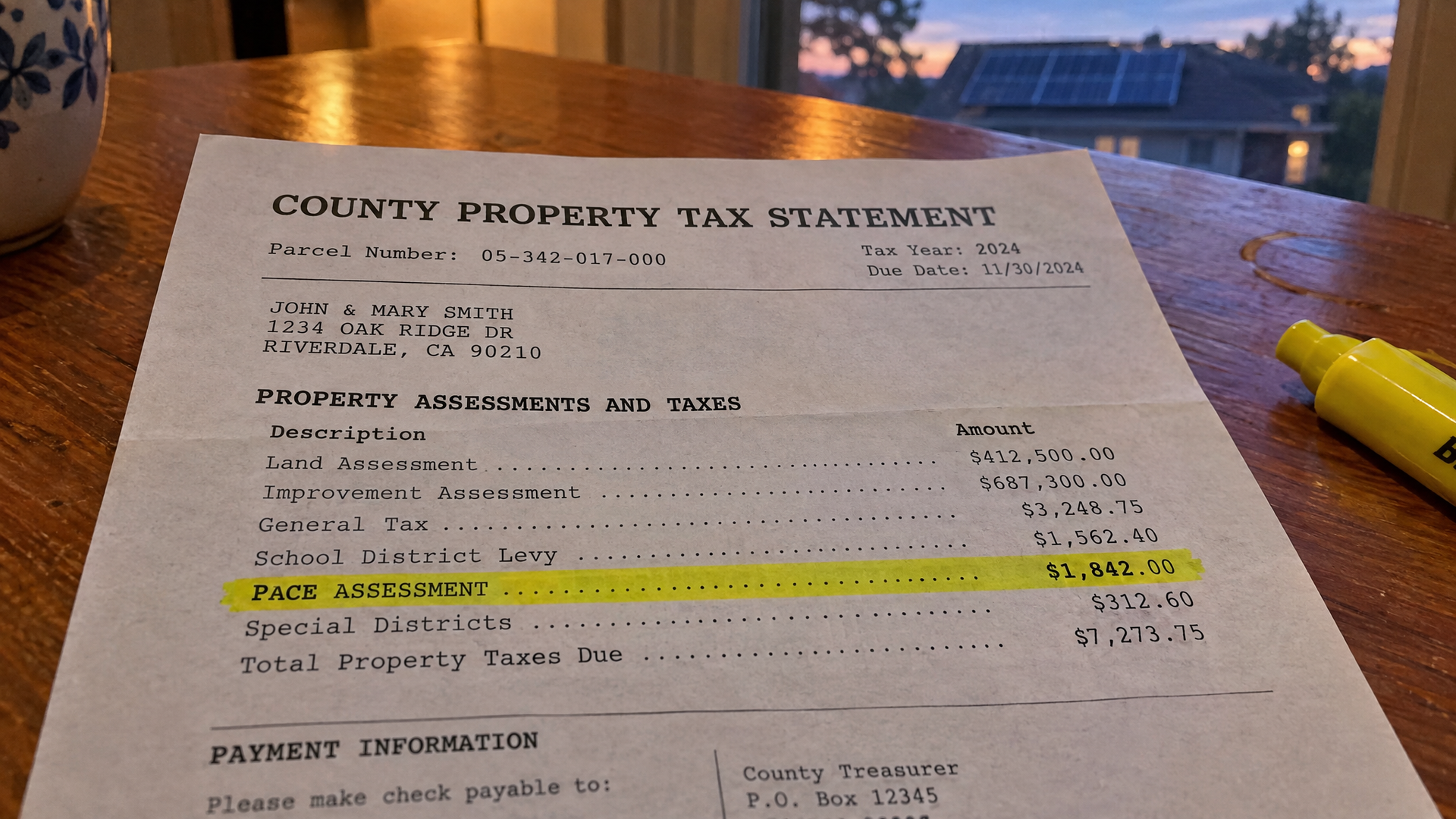
Titan financed much of what it sold. If you have a loan, your agreement is with a lender, and that lender is still in business. Loans in Titan-era cases have come through lenders like GoodLeap, Mosaic, and Sunlight Financial. The lender is now the only party in this story with money and a legal department, which is why the FTC Holder Rule matters so much here. A claim you could have raised against the installer over what the salesperson promised can, in many cases, be raised against the company that financed the sale.
The numbers in these deals are large. TIME's coverage of the shutdown cited a complaint describing a loan with a $75,000 finance charge, which brought total payments to about $166,400. The same article cited a lawsuit alleging a Titan salesman told a customer that a government program meant he would have no electric bill. If you have a GoodLeap loan, our GoodLeap exit guide covers that lender specifically.
If you signed a lease or PPA instead of a loan, check the counterparty. Titan had been a Sunrun partner since 2016, and in June 2021 it named Sunrun its exclusive PPA provider for two years. Depending on when you signed, the other name on your contract may be Sunrun. Sunrun is still operating, and it is the subject of the multi-state investigations we've been tracking.
The person who sold it to you may not have worked for Titan
Titan described its own model as partnering with independent solar sales companies and dealers while handling the installation itself. That explains why the complaints sound so alike: the promises came from a salesperson on a dealer's payroll, at a kitchen table, sometimes for a dealer that's still around. TIME quoted a solar-warranty executive calling the dealer program a "double-edged sword" for Titan, and Nevada's contractors board had put Titan on probation in 2023 over customer complaints.
Dig out your proposal and sales agreement and find the dealer's name. It's usually printed somewhere separate from Titan's. It's a second party to identify, and unlike Titan it may still exist.
Getting the system looked at
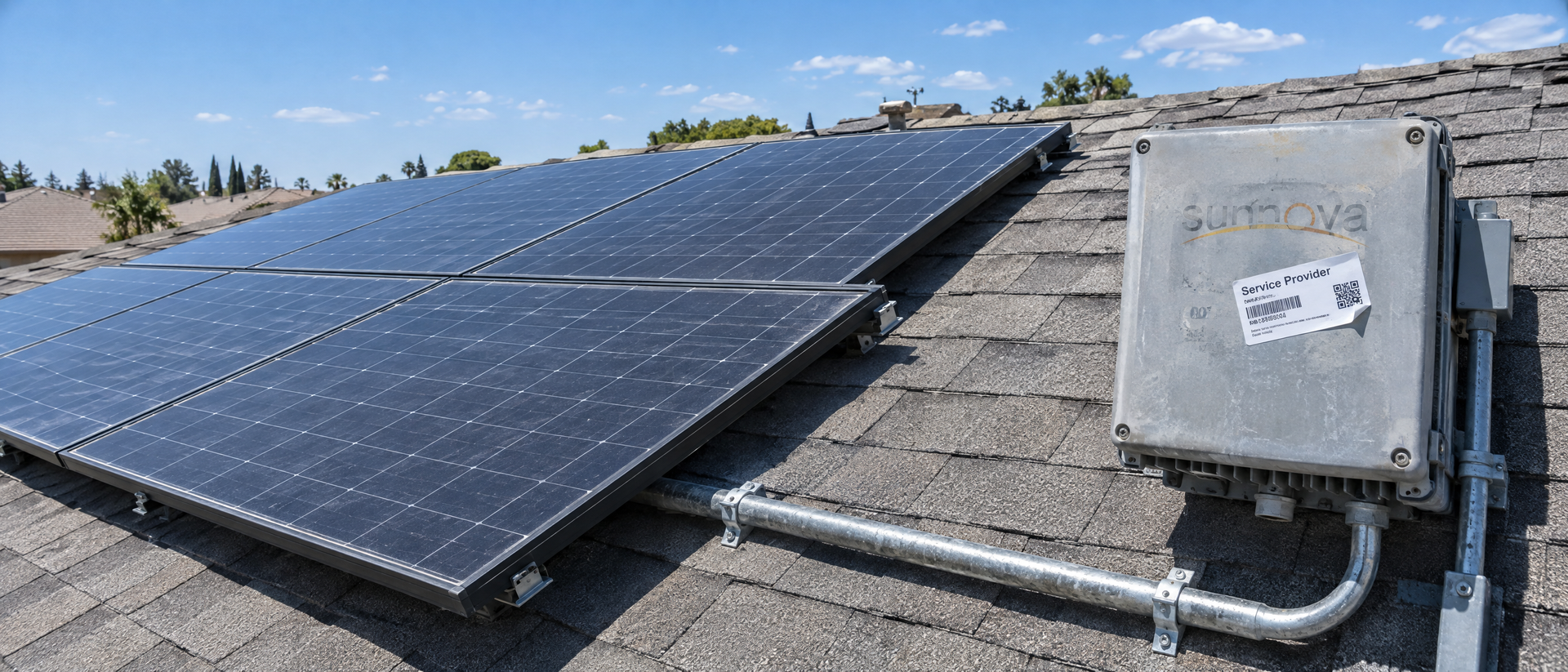
Panels keep producing until something fails, and someone has to be able to look at them. EnergyAid, which started as a California and Arizona service company for homeowners hit by solar company closures, announced in April 2025 that it had acquired Titan's intellectual property and would provide monitoring and repair support to former customers. We aren't vouching for anyone. Whoever touches your roof should hold a current license, which you can verify at cslb.ca.gov, and should give you written terms. Stranded customers also attract opportunists, so read our piece on solar exit scams before you pay anyone to "handle" your Titan situation.
Start with the paper
Pull your loan statement or PPA, the original proposal with its savings projections, and a year of utility bills from before and after installation. Save every text or email from the salesperson. If the roof leaks near a mounting point, photograph it now. Our documentation checklist lays out the rest, and the CSLB, CPUC, and Attorney General complaint routes are there if you want a record on file.
Titan is never coming back to fix any of this, but you don't need Titan to. What you need is to know which party you're actually dealing with and what they can be held to. Send us your contract and your loan statement and we'll tell you where you stand, usually in one 15-minute call.
Call (213) 579-5156 or visit californiasolarexit.com today, before another year of payments goes out the door.
Daniel Merritt is a Senior Solar Contract Analyst at California Solar Exit.
Other insights
More from California Solar Exit