Latest insights
Solar Contract Complaints Are Surging — What California Homeowners Need to Know
Solar Contract Complaints Are Surging — What California Homeowners Need to Know
Something is quietly breaking down inside the residential solar industry, and the numbers are starting to show it.
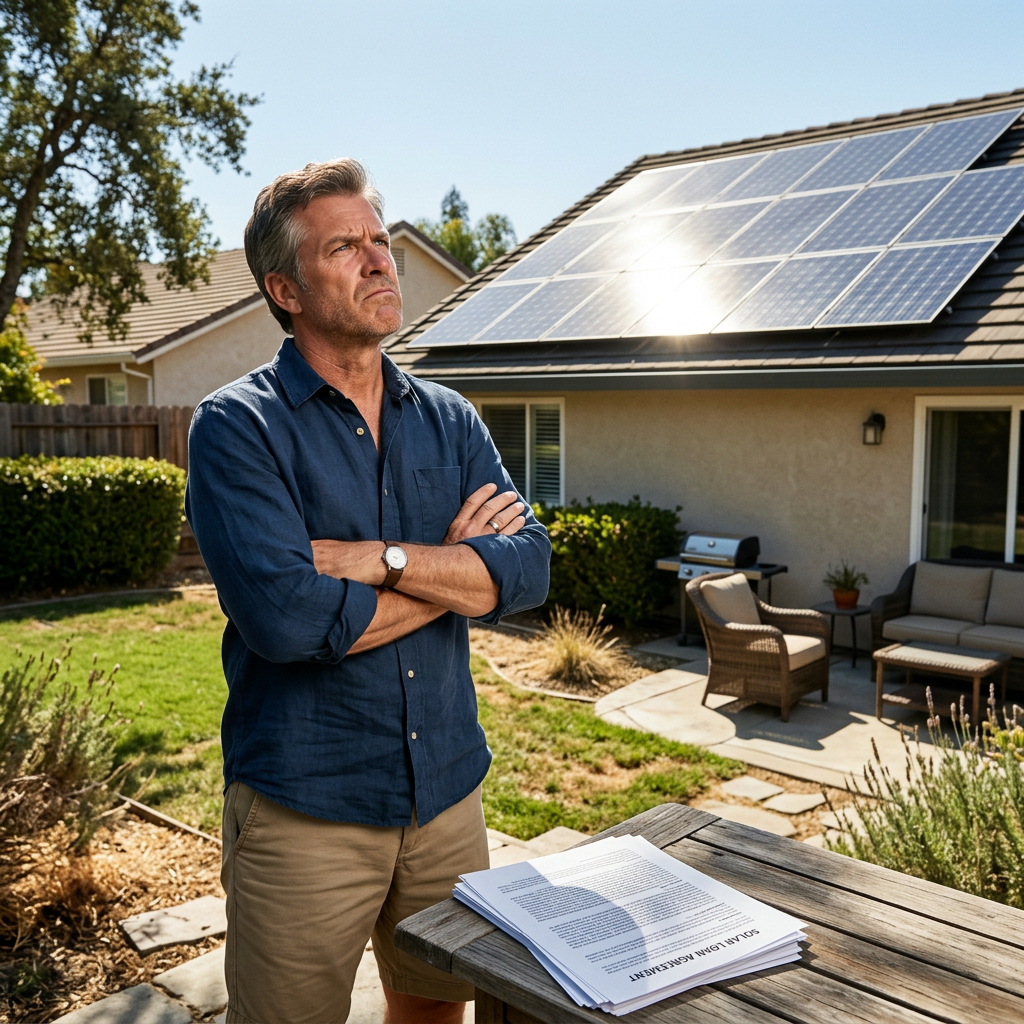
Consumer complaints against solar companies have climbed significantly over the past few years. The Federal Trade Commission recorded over 7,000 solar-related fraud complaints in 2025 alone — a figure that barely scratches the surface of how many homeowners are struggling with solar agreements they didn't fully understand when they signed them. From Fresno to San Diego, from the Inland Empire to the Bay Area, Californians are finding themselves trapped in 20- and 25-year financial obligations that bear little resemblance to what a salesperson promised at the front door.
This isn't a fringe problem. It's a systemic one — and it's getting harder to ignore.
Why Solar Contracts Are Generating So Many Complaints
The issues vary, but they tend to cluster around a few recurring themes that our team here at California Solar Exit sees constantly.
Payments are higher than quoted. A salesperson presents one monthly figure during a pitch, often compared favorably to a current electric bill. After signing, the actual loan or lease payments come in higher — sometimes significantly so — especially once dealer fees, interest rate structures, and escalator clauses are factored in. If you've ever wondered how GoodLeap dealer fees work or why your loan balance seems disconnected from the system's actual value, you're not alone.
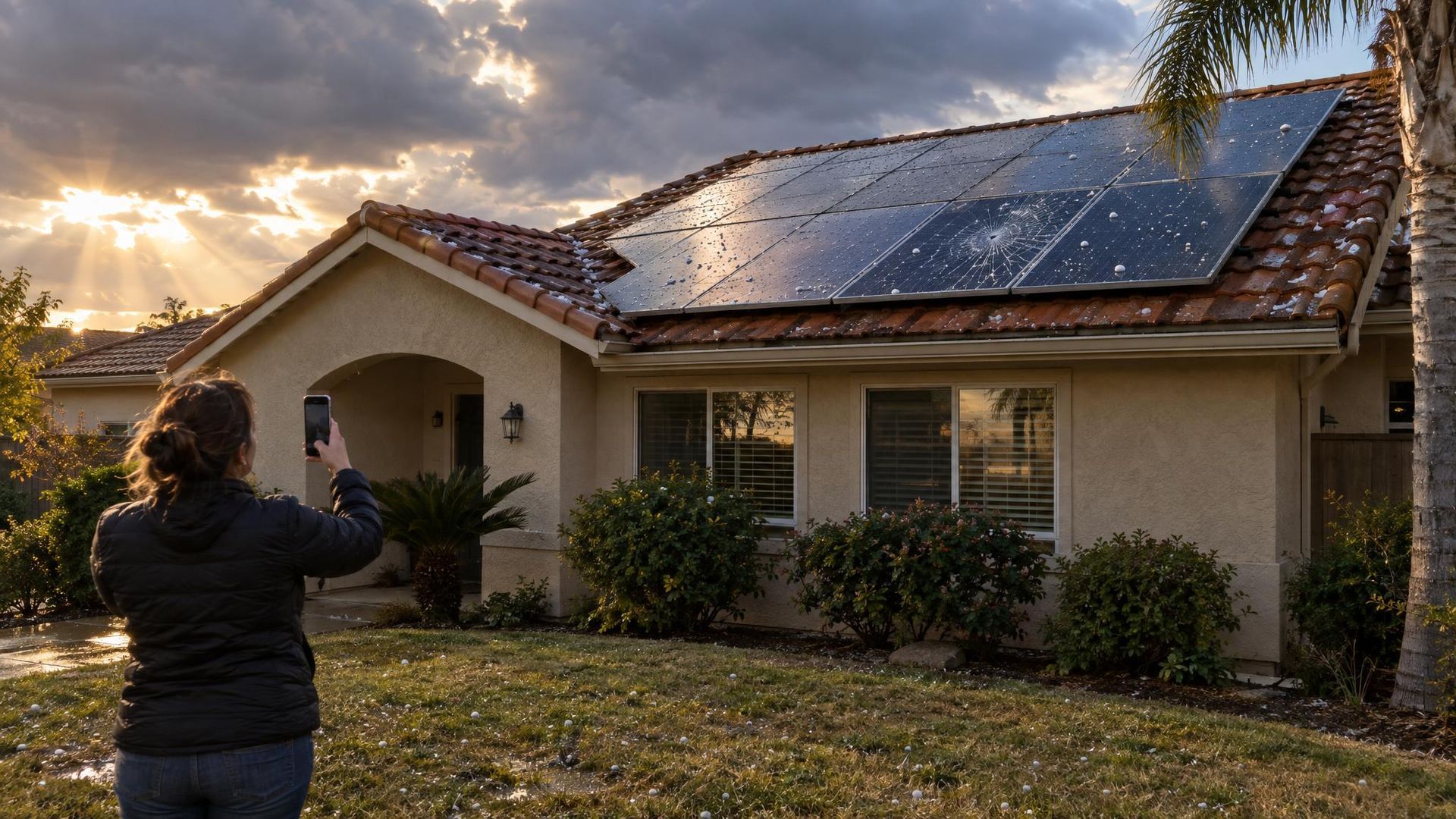
Panels stop working, but the loan doesn't. System failures and inverter issues are more common than installers admit. When a system goes offline, homeowners are often still on the hook for the full loan payment — even while paying their regular utility bill on top of it. The installer may have gone out of business, or simply stopped returning calls after installation.
PPA and lease escalator clauses compound the problem over time. Many California homeowners signed power purchase agreements (PPAs) or solar leases without fully understanding that their payments are designed to increase annually, often by 2–3% per year. Over a 20-year agreement, that compounding escalation can turn a seemingly affordable deal into a genuinely expensive one. We've written about how PPA escalator clauses trap California homeowners in detail — it's one of the most misunderstood aspects of the solar sales process.
The company becomes unreachable after installation. Post-installation support is where many solar companies fall apart. Once the system is in and the commission is paid, customer service often evaporates. Homeowners with performance issues, monitoring problems, or billing discrepancies can spend months trying to reach anyone who will actually help.
The Legal Landscape Is Starting to Shift
For most of the last decade, homeowners who felt misled by solar companies had few clear options. The contracts were long, the arbitration clauses were buried, and the path to resolution wasn't well mapped.
That's beginning to change.
Several states have moved to strengthen consumer protections for solar buyers, including expanded cancellation windows and stricter disclosure requirements. California — which leads the nation in residential solar installations — has been a focus for this kind of legislative attention, including SB 784 and its implications for California solar buyers. Consumer advocacy law firms are increasingly specializing in solar contract disputes, and class action litigation against some of the industry's largest players has put companies on notice.
What this means practically: if you signed a solar agreement under circumstances that felt rushed, unclear, or misleading, the legal landscape is more favorable to you today than it was even two or three years ago.
What "Misrepresentation" Actually Looks Like
There's sometimes confusion about what qualifies as grounds to pursue a solar contract exit. You don't need to prove that a company defrauded you in a dramatic, obvious way. The bar is often lower than homeowners realize.
Common misrepresentations that consumer protection attorneys examine include:
Savings projections that weren't put in writing, or that assumed utility rate increases that never materialized. Omission of key terms — like the fact that a PPA will escalate annually, or that a Mosaic or GoodLeap loan carries a dealer fee that inflates the system's financed cost. Failure to disclose how the agreement affects a future home sale. Verbal promises about system performance or coverage that weren't included in the contract. If any of these sound familiar, it may be worth having your agreement reviewed. Understanding what a Mosaic loan transfer means for your home sale is one area where many homeowners realize too late that disclosures were missing at the point of sale.
The Role NEM 3.0 Is Playing
California's shift to NEM 3.0 — the new net metering framework that dramatically reduced the export rates homeowners receive for excess solar energy sent to the grid — has added another layer of frustration. Homeowners who signed agreements under NEM 2.0 economics are increasingly finding that their projected savings don't hold under the new rate structure. Salespeople who pitched systems before the NEM 3.0 transition often presented savings figures that no longer apply. For newer buyers who signed after April 2023, the economics of solar in California look materially different than what many were shown. We've covered the NEM 3.0 impact on California solar savings in depth — it's essential reading if your savings projections haven't materialized.
What California Solar Exit Does
California Solar Exit exists specifically to help homeowners who are in the situation described above — locked into a solar agreement that isn't delivering what was promised, and unsure of their options.
We review solar contracts across all major agreement types: GoodLeap loans, Mosaic loans, Sunrun leases and PPAs, Tesla Energy agreements, and others. Our process begins with a contract review, after which we can advise on what grounds may exist for cancellation, restructuring, or legal escalation. For homeowners where there's clear evidence of misrepresentation, we connect cases to consumer protection legal resources that specialize in solar contract disputes.
The goal in every case is the same: get you out of an agreement that isn't serving you, and do it through a process that's documented, defensible, and complete.
If you've been dealing with inflated payments, a non-functional system, or a contract that doesn't match what you were sold, the first step is a review. The longer a bad agreement sits, the more it costs — and the more it can complicate things like refinancing or selling your home.
Frequently Asked Questions
Why are solar contract complaints rising? The rapid growth of residential solar installations — combined with aggressive, commission-driven sales practices — has produced a large number of contracts signed without full disclosure of terms. As more homeowners discover discrepancies between what they were promised and what they're experiencing, complaint volumes have climbed. Regulatory bodies including the FTC and California's CPUC have documented the trend.
What is misrepresentation in a solar contract? Misrepresentation occurs when a salesperson provides false, incomplete, or misleading information during the sales process that influences a homeowner's decision to sign. This can include overstated savings projections, failure to disclose annual escalation clauses, omission of dealer fees, or verbal promises that don't appear in the written contract.
Can I exit a solar contract I signed years ago? Potentially, yes. The grounds for cancellation depend on the specific terms of your agreement and the circumstances under which it was signed. Consumer protection laws in California provide certain rights to homeowners who were misled, and the statute of limitations for contract misrepresentation claims gives more runway than many people assume. A contract review is the only way to know what your options are.
How does NEM 3.0 affect existing solar agreements? NEM 3.0 reduced the compensation rate that California utilities pay for excess solar energy exported to the grid. Homeowners who signed agreements under the older NEM 2.0 rate structure — with savings projections based on higher export rates — may be experiencing lower-than-promised returns. Those who signed after the April 2023 NEM 3.0 implementation should verify whether their salesperson accurately represented the new economics.
What types of solar agreements can be reviewed for cancellation? Solar loans (GoodLeap, Mosaic, Dividend Finance), solar leases, and power purchase agreements (PPAs) can all be reviewed. The grounds and process differ depending on the agreement type, the lender or leasing company, and the specifics of what was disclosed at signing.
Other insights
More from California Solar Exit